

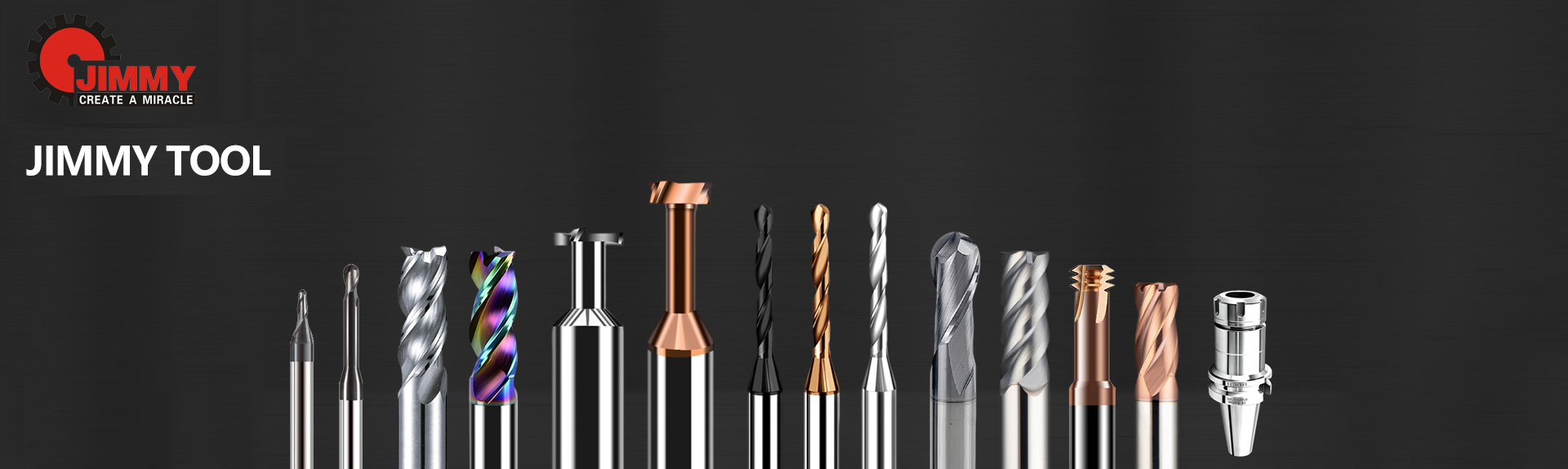
What is Carbide Milling? A Comprehensive Guide for Machining Professionals
Date:2025-12-21Number:1725In the world of precision machining, few tools command as much respect—or deliver as much performance—as the carbide end mill cutter. Whether you're a seasoned machinist, a CNC programmer, or an engineering manager overseeing high-volume production lines, understanding carbide milling isn't just beneficial—it's essential. This article dives deep into the fundamentals, applications, advantages, and best practices of carbide milling, with a particular focus on the indispensable role played by carbide end mill cutters in modern manufacturing.
Carbide milling refers to the process of using cutting tools made primarily from tungsten carbide—an extremely hard and wear-resistant material composed of tung tungsten and carbon atoms bonded within a metallic matrix (typically cobalt). Unlike traditional high-speed steel (HSS) tools, carbide tools maintain their edge integrity at significantly higher cutting speeds and temperatures, making them ideal for demanding applications across aerospace, automotive, medical device manufacturing, and mold & die industries.
At the heart of this process lies the carbide end mill cutter, a rotary cutting tool designed for a wide range of operations including profiling, slotting, contouring, and plunging. Its geometry, coating, and substrate composition are meticulously engineered to maximize material removal rates while ensuring dimensional accuracy and surface finish quality.
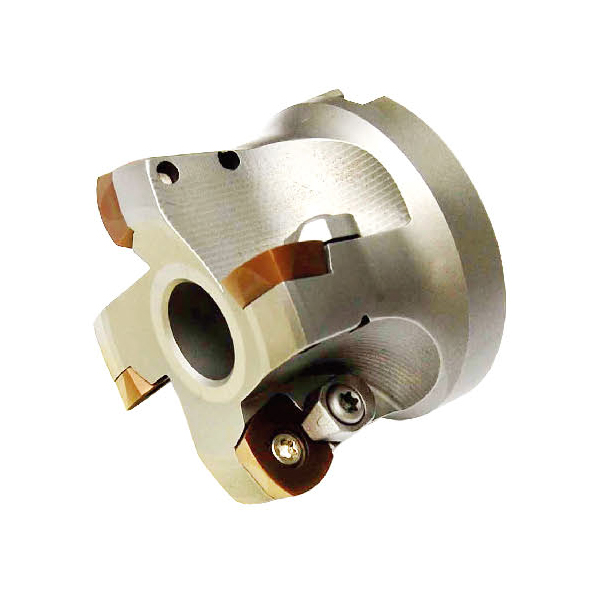
The shift toward carbide-based tooling over the past three decades hasn’t been accidental—it’s been driven by measurable gains in productivity, consistency, and cost-efficiency. Here’s why professionals consistently choose carbide end mill cutters:
Tungsten carbide ranks between 8.5 and 9.5 on the Mohs hardness scale—far exceeding that of HSS (around 6.5–7). This translates to longer tool life, especially when machining abrasive materials like composites, hardened steels, or nickel-based superalloys such as Inconel.
Because carbide retains its strength at elevated temperatures (up to 1,000°C), it enables significantly higher spindle speeds without premature tool failure. This directly reduces cycle times—a critical factor in high-mix, low-volume or mass-production environments.
The rigidity of carbide minimizes deflection during cutting, which is crucial for tight-tolerance features. Combined with advanced flute geometries and edge preparations (e.g., hone or chamfer), carbide end mill cutters produce smoother finishes and more consistent part dimensions—often eliminating secondary operations.
From square-end to ball-nose, corner radius, tapered, and roughing-specific profiles, there’s a carbide end mill cutter for virtually every application. Add to that variable helix angles, eccentric relief, and chip-thinning geometries, and you have tools optimized for specific materials and cutting strategies.
Not all carbide tools are created equal. Professional machinists understand that performance hinges on three interrelated factors:
Carbide grades vary based on grain size, cobalt content, and additives like tantalum or titanium carbides. Fine-grain substrates offer better edge strength for finishing; coarse-grain variants provide toughness for roughing. Selecting the right grade for your workpiece material is non-negotiable.
Modern carbide end mill cutters often feature advanced PVD (Physical Vapor Deposition) or CVD (Chemical Vapor Deposition) coatings:
TiN (Titanium Nitride): General-purpose, golden-colored coating.
TiAlN (Titanium Aluminum Nitride): Excellent for high-temperature alloys; forms a protective alumina layer during cutting.
AlCrN (Aluminum Chromium Nitride): Superior oxidation resistance and hardness—ideal for dry machining or stainless steels.
Diamond-like Carbon (DLC): Used for non-ferrous materials like aluminum or composites to prevent built-up edge.
These coatings reduce friction, dissipate heat, and dramatically extend tool life—sometimes by 3x or more compared to uncoated tools.
Geometry and Flute Design
Flute count (2-flute for aluminum, 4+ for steel), helix angle (30°–55°), rake angle, and core diameter all influence chip evacuation, cutting forces, and stability. For example, a high-helix carbide end mill cutter improves shearing action in softer materials but may induce chatter in thin-walled parts if not properly supported.
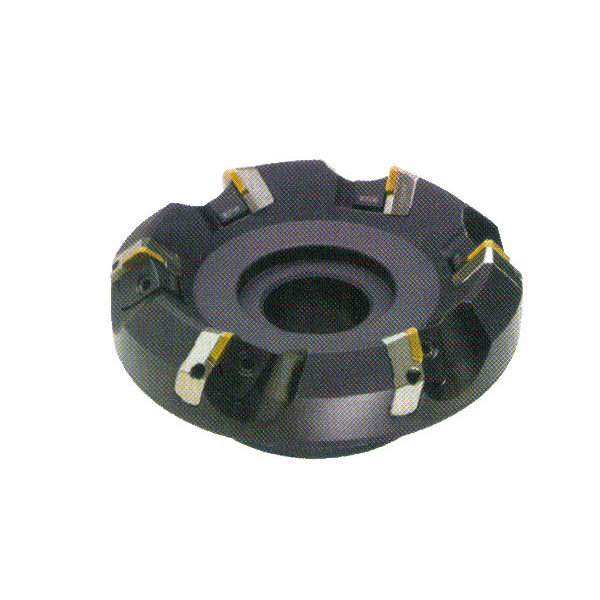
One of the greatest strengths of carbide milling is its adaptability across diverse materials. However, success requires matching the tool to the material—not just in composition, but in cutting strategy.
Use 2- or 3-flute carbide end mill cutters with polished flutes and sharp cutting edges to prevent material adhesion. High helix angles (45°+) promote efficient chip removal. Avoid excessive feed rates that can cause “chatter marks” on soft surfaces.
These materials work-harden rapidly, so constant engagement and proper coolant delivery are critical. Opt for 4- or 5-flute tools with TiAlN or AlCrN coatings, moderate helix angles, and reinforced edges to withstand intermittent cutting forces.
Here, rigidity is paramount. Use short-length, stub-type carbide end mill cutters with fine-pitch flutes and negative rake angles. Trochoidal or peel milling strategies help manage heat and extend tool life.
Specialized diamond-coated or polycrystalline diamond (PCD)-tipped carbide end mill cutters minimize delamination and fraying. Compression flutes are often used to control fiber breakout on top and bottom surfaces.
Even the best carbide end mill cutter can fail prematurely if misapplied. Seasoned professionals watch out for these frequent errors:
Incorrect Speeds and Feeds: Running too slow causes rubbing (not cutting), generating excess heat. Too fast leads to catastrophic fracture. Always consult manufacturer data or use CAM-integrated tool libraries.
Poor Tool Holding: A loose collet or worn hydraulic chuck introduces runout, accelerating uneven wear. Use shrink-fit, hydraulic, or high-precision ER collets for sub-0.0004" TIR.
Ignoring Chip Evacuation: Recutting chips is a leading cause of tool breakage—especially in deep cavities. Use air blasts, through-tool coolant, or peck cycles to clear debris.
Overlooking Tool Path Strategy: Traditional zig-zag paths create sudden load spikes. Adaptive clearing or constant engagement toolpaths distribute cutting forces evenly, preserving both tool and machine.
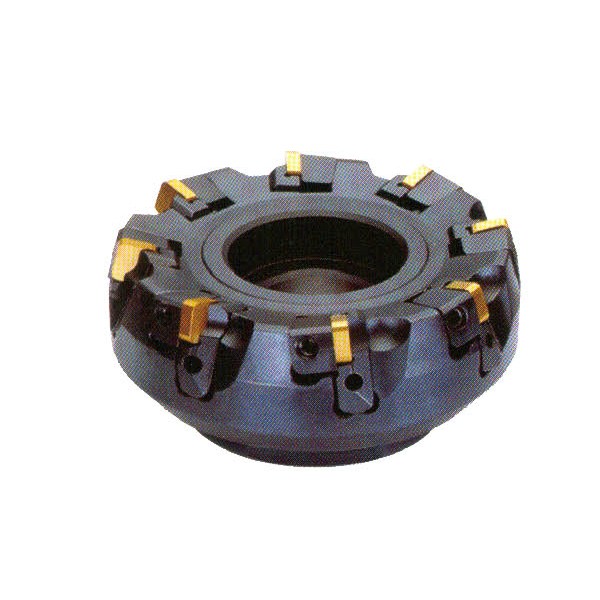
While premium carbide end mill cutters carry a higher upfront cost than HSS or lower-grade alternatives, their total cost of ownership is often lower. Consider this real-world scenario:
A shop machining titanium aerospace brackets switches from a $25 HSS end mill (lasting 15 minutes) to a $120 coated carbide end mill lasting 90 minutes. Even accounting for the 5x price difference, the carbide tool delivers 6x the runtime, reduces changeovers, minimizes scrap from tool wear drift, and cuts labor overhead. Over a year, this can translate to tens of thousands in savings.
Moreover, consistent tool performance enables lights-out machining—unlocking overnight production without supervision.
The evolution of carbide milling isn’t slowing down. Today’s carbide end mill cutters are increasingly part of connected manufacturing ecosystems:
RFID-enabled toolholders track usage hours and predict end-of-life.
Digital twins in CAM software simulate cutting forces to optimize parameters before metal touches tool.
Nanostructured coatings and functionally graded substrates push the boundaries of what’s machinable.
Forward-thinking shops aren’t just buying tools—they’re investing in data-driven machining systems where the carbide end mill cutter is both a physical asset and a source of actionable intelligence.
Carbide milling is more than a technique—it’s a philosophy of precision, efficiency, and relentless optimization. At its core stands the carbide end mill cutter: a marvel of materials science and mechanical engineering that continues to redefine what’s possible in subtractive manufacturing.
For professionals committed to excellence, understanding the nuances of carbide tool selection, application, and maintenance isn’t optional. It’s the foundation upon which competitive advantage is built—one perfectly machined part at a time.
Whether you’re roughing out a titanium impeller or finishing a medical implant to mirror-like smoothness, remember: your results are only as good as your tool. Choose wisely, cut confidently, and let the performance of your carbide end mill cutter speak for itself.
person: Mr. Gong
Tel: +86 0769-82380083
Mobile phone:+86 15362883951
Email: info@jimmytool.com
Website: www.jimmytool.com


