

What Is a Carbide Cutter? A Comprehensive Guide for Machining Professionals
Date:2025-12-19Number:1714In the world of precision machining, few tools are as essential—and as misunderstood—as the carbide cutter. Whether you're a seasoned CNC operator, a tooling engineer, or a manufacturing manager sourcing cutting tools for high-volume production, understanding what a carbide cutter truly is—and how to leverage its capabilities—can mean the difference between mediocre surface finishes and aerospace-grade tolerances. This article dives deep into the technical, practical, and strategic aspects of carbide cutters, with a particular focus on the widely used carbide end mill cutter, to equip professionals with actionable insights that go beyond basic definitions.
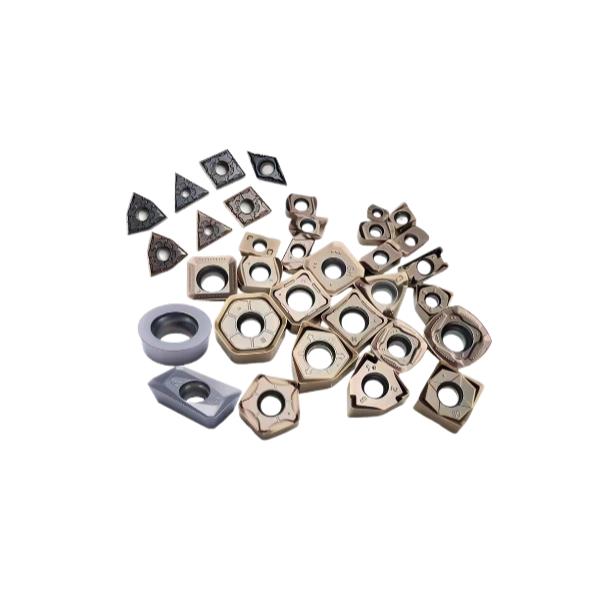
At its core, a carbide cutter refers to any cutting tool made primarily from tungsten carbide (WC), a compound of tungsten and carbon atoms sintered together under extreme heat and pressure. Unlike traditional high-speed steel (HSS) tools, carbide cutters offer superior hardness (typically 86–93 HRA on the Rockwell scale), excellent wear resistance, and the ability to maintain sharp cutting edges at elevated temperatures—often exceeding 1,000°F (538°C).
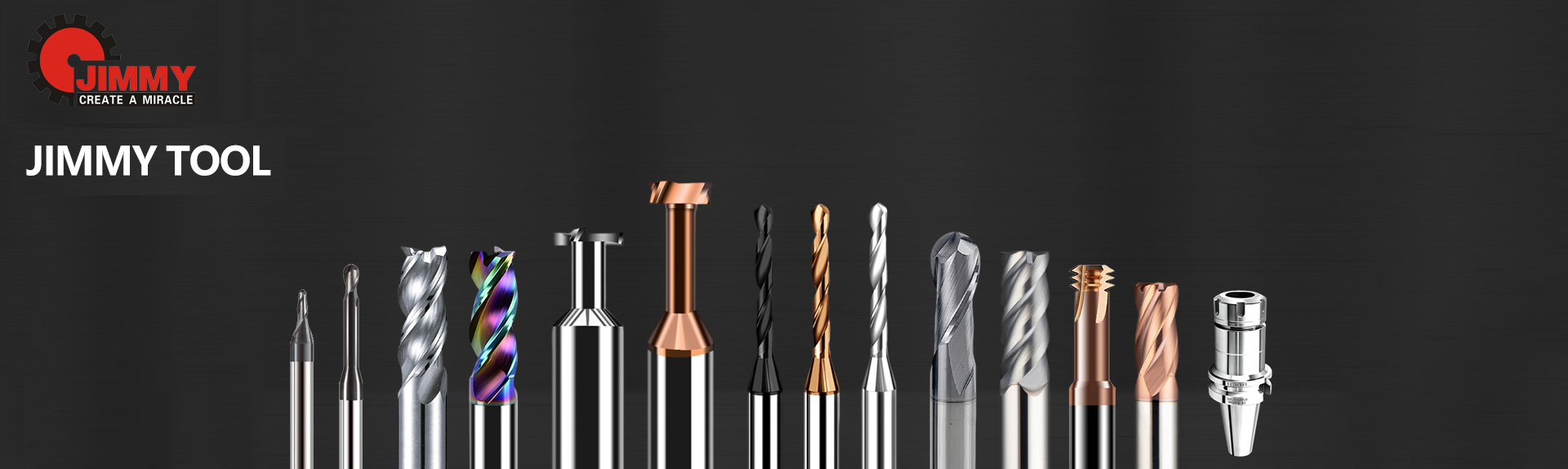
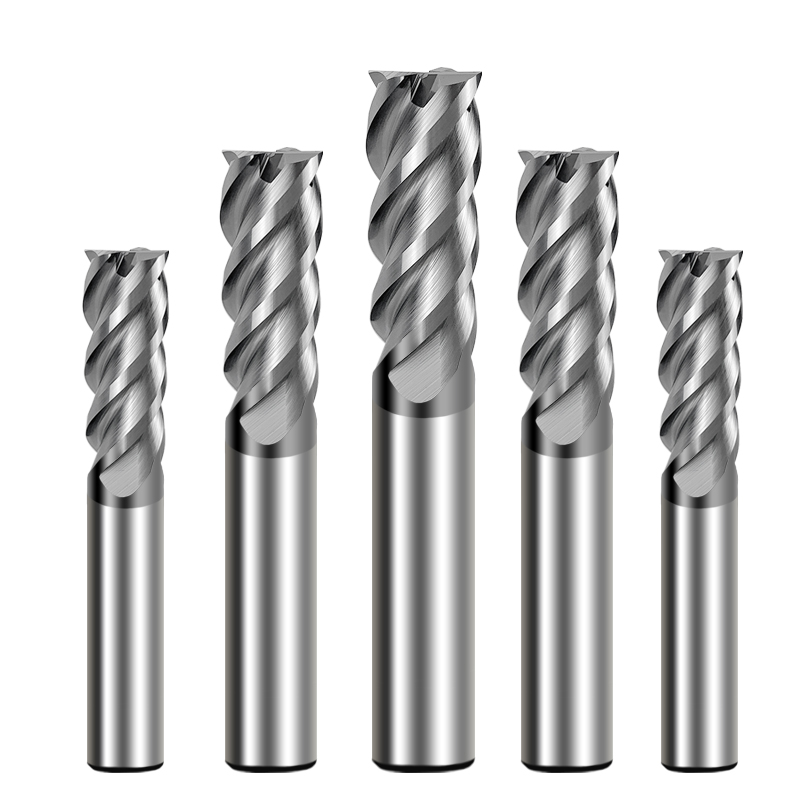
While “carbide cutter” is a broad term encompassing drills, inserts, reamers, and more, in modern CNC milling applications, the carbide end mill cutter has become the workhorse of high-performance machining. These tools feature flutes (cutting edges) ground directly into a solid carbide blank, allowing them to remove material efficiently across a wide range of metals, composites, and even hardened steels.
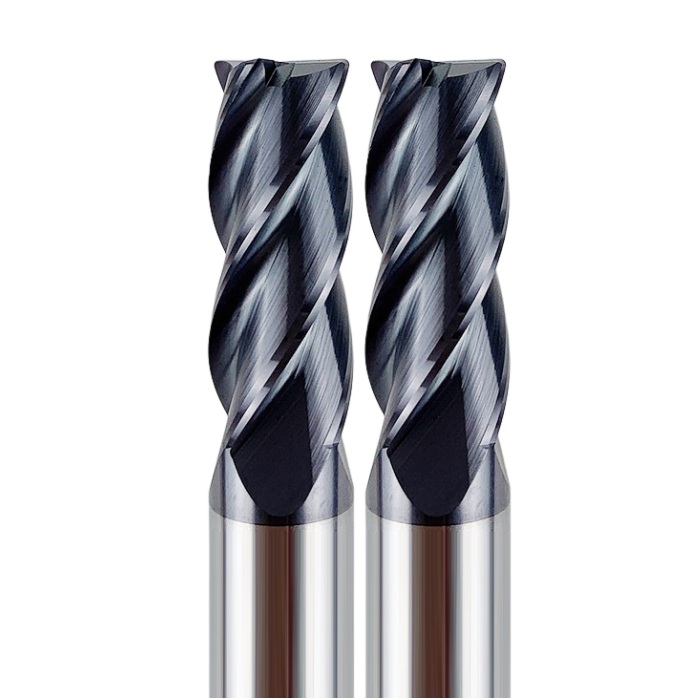
Tungsten carbide isn’t just “hard metal”—it’s an engineered composite. Most commercial carbide grades consist of 70–97% tungsten carbide particles bound together by cobalt (typically 3–30%). The cobalt acts as a metallic binder, providing toughness and impact resistance, while the WC grains deliver hardness and abrasion resistance.
This microstructure allows carbide end mill cutters to:
Operate at significantly higher surface speeds than HSS (often 3–5x faster)
Maintain dimensional accuracy over extended tool life
Withstand aggressive cutting parameters in difficult-to-machine materials like Inconel, titanium, and hardened tool steels
For professionals, this translates into reduced cycle times, fewer tool changes, and consistent part quality—critical metrics in today’s competitive manufacturing landscape.
Not all carbide end mill cutters are created equal. The geometry, coating, flute count, helix angle, and corner design are meticulously tailored to specific machining tasks. Here’s a breakdown of common types and their ideal use cases:
Feature a flat cutting tip.
Used for slotting, profiling, and general-purpose milling.
Ideal for creating sharp corners and flat-bottomed pockets.
Rounded tip resembling a ball.
Essential for 3D contouring, mold & die work, and complex surface finishing.
Produce smooth scallops with minimal stepover.
Blend the durability of square end mills with the stress distribution of ball nose tools.
Reduce chipping at corners during heavy roughing.
Commonly used in aerospace structural components and automotive dies.
Serrated flutes break chips into smaller segments.
Enable aggressive material removal with lower cutting forces.
Best for rapid stock removal in aluminum, steel, and stainless alloys.
Designed with shallow axial depths but very high feed rates.
Excel in pocketing and facing operations where machine rigidity limits depth of cut.
Often used in high-efficiency machining (HEM) strategies.
Each variant serves a strategic purpose. Choosing the wrong type can lead to premature tool failure, poor surface finish, or inefficient material removal—costing both time and money.
While the base carbide composition provides foundational performance, advanced coatings dramatically enhance tool life and cutting efficiency. Common coatings used on carbide end mill cutters include:
TiN (Titanium Nitride): Gold-colored; improves lubricity and mild wear resistance. Suitable for general-purpose steel and aluminum.
TiCN (Titanium Carbonitride): Blue-gray; harder than TiN, offering better edge retention in abrasive materials.
AlTiN / TiAlN (Aluminum Titanium Nitride): Purple-black; forms a protective alumina layer at high temps. Ideal for high-speed machining of stainless steel, Inconel, and hardened steels.
Diamond-Like Carbon (DLC): Excellent for non-ferrous materials like aluminum, copper, and composites where built-up edge is a concern.
Selecting the right coating isn’t just about material compatibility—it’s also about matching thermal and chemical properties to your cutting environment. For instance, AlTiN-coated carbide end mills thrive in dry or near-dry machining scenarios due to their oxidation resistance above 800°C.
Even the highest-grade carbide end mill cutter will fail prematurely if used incorrectly. Professionals must consider three interdependent factors:
1. Cutting Speed (SFM or m/min): Dictated by workpiece material and tool coating. Exceeding recommended speeds causes rapid flank wear or catastrophic edge chipping.
2. Feed Rate (IPM or mm/min): Must balance chip load per tooth. Too low = rubbing and work hardening; too high = tool breakage.
3. Machine Rigidity & Workholding: Carbide is brittle. Any vibration or deflection amplifies stress on the cutting edge. High-performance milling demands stable setups—hydraulic chucks, shrink-fit holders, or high-precision collets.
Many manufacturers now provide digital tool libraries with optimized parameters for specific materials (e.g., 6061-T6 aluminum vs. 17-4PH stainless). Leveraging these resources—or investing in CAM software with adaptive toolpath algorithms—can extend tool life by 30–50%.
Despite their advantages, carbide cutters present unique challenges:
Brittleness: Unlike HSS, carbide doesn’t bend—it fractures. Avoid interrupted cuts unless using specialized geometries.
Thermal Shock: Rapid temperature changes (e.g., coolant splash on a hot tool) can cause microcracks. Consider air blast or mist cooling for thermally sensitive operations.
Incorrect Helix Angle: Low helix (30°–35°) offers strength for roughing; high helix (45°–60°) improves shearing and finish but reduces edge strength. Match to your application.
Overlooking Runout: Even 0.0005" (0.013 mm) of tool runout can halve effective tool life in micro-diameter end mills.
Proactive maintenance—regular spindle checks, proper tool storage, and using runout-indicating holders—goes a long way in maximizing ROI.
As factories adopt IoT-enabled machines and predictive maintenance systems, data from carbide end mill cutter usage is becoming invaluable. Tool wear sensors, acoustic emission monitors, and AI-driven analytics can now predict end-of-life before failure occurs, minimizing scrap and unplanned downtime.
Moreover, digital twins of cutting tools allow engineers to simulate performance under various conditions before physical trials—accelerating process validation and reducing trial-and-error costs.
With countless suppliers flooding the market, discerning quality is critical. Key indicators of a premium carbide end mill cutter include:
ISO-Certified Manufacturing: Ensures consistent grain structure and coating adhesion.
Micrograin or Submicron Carbide Substrates: Finer grains = better edge strength and polishability.
Precision Grinding Tolerances: Look for TIR (Total Indicated Runout) < 0.0002" for high-accuracy applications.
Application-Specific Engineering: Top-tier brands don’t sell “one-size-fits-all” tools—they offer geometries tuned for aerospace alloys, medical stainless, or graphite EDM electrodes.
Avoid bargain-bin tools that compromise on cobalt content or skip critical post-grind treatments like edge honing or stress relief.
To view a carbide end mill cutter merely as a consumable is to miss its true value. In the hands of a knowledgeable professional, it becomes a precision instrument that enables innovation—whether you’re machining turbine blades with micron-level tolerances or producing thousands of automotive brackets with zero defects.
Investing in the right carbide cutter isn’t an expense—it’s a lever for productivity, quality, and competitiveness. By understanding the science behind the material, the logic behind the geometry, and the strategy behind its deployment, machining professionals can unlock performance that standard tools simply cannot match.
As manufacturing continues to evolve toward tighter tolerances, harder materials, and smarter processes, the role of the carbide cutter—especially the versatile carbide end mill cutter—will only grow more central. Master it, and you master the future of precision machining.
person: Mr. Gong
Tel: +86 0769-82380083
Mobile phone:+86 15362883951
Email: info@jimmytool.com
Website: www.jimmytool.com


