

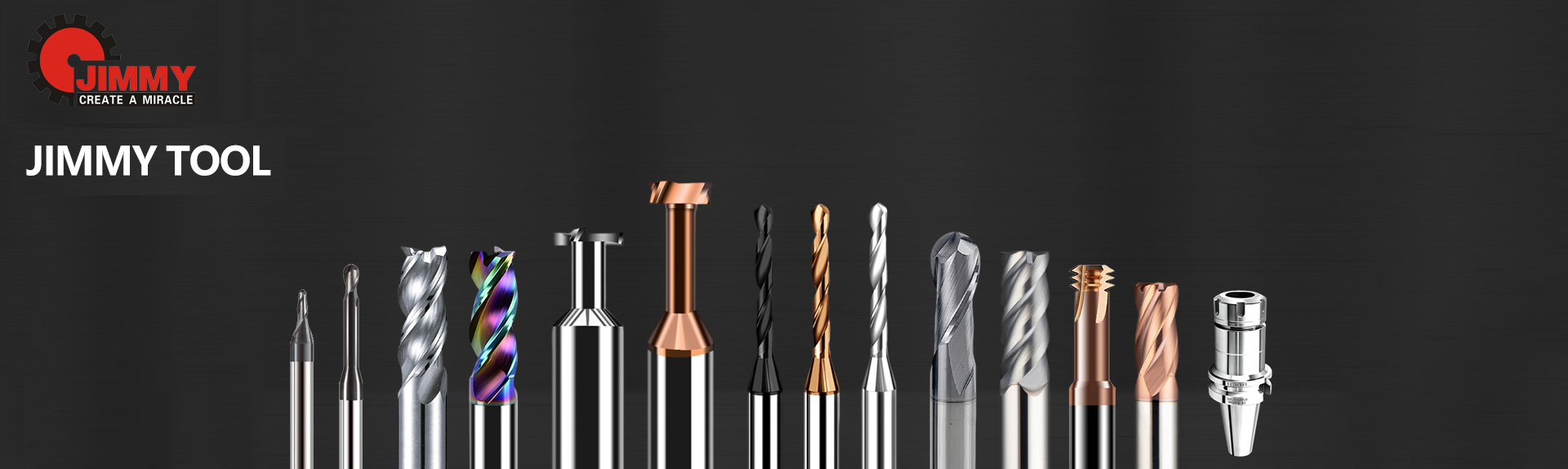
What Is a Carbide End Mill? A Machinist’s Deep Dive into Precision, Performance, and Practical Application
Date:2025-12-06Number:1675By Andy, CNC Machinist & Tooling Specialist with 15+ Years in High-Precision Manufacturing
If you’ve spent any meaningful time behind a CNC mill—or even a manual Bridgeport—you’ve almost certainly held a carbide end mill in your hand. But what exactly is a carbide end mill? And more importantly, why does it matter so much in modern machining?
In this article, I’ll break down everything you need to know about carbide end mill cutters—not from a textbook or marketing brochure, but from real-world experience running thousands of parts across aerospace, medical, mold & die, and general job shop environments. Whether you’re a seasoned machinist, a shop owner sourcing tooling, or an engineering student trying to understand cutting tools, this guide will give you actionable insights that go beyond the basics.
At its simplest, a carbide end mill is a rotary cutting tool used for removing material from a workpiece during milling operations. Unlike traditional high-speed steel (HSS) end mills, carbide end mills are made primarily from tungsten carbide—a compound of tungsten and carbon—often bonded with cobalt as a binder. This composition gives them exceptional hardness (typically 88–93 HRA on the Rockwell scale), wear resistance, and the ability to maintain sharp cutting edges at high temperatures.
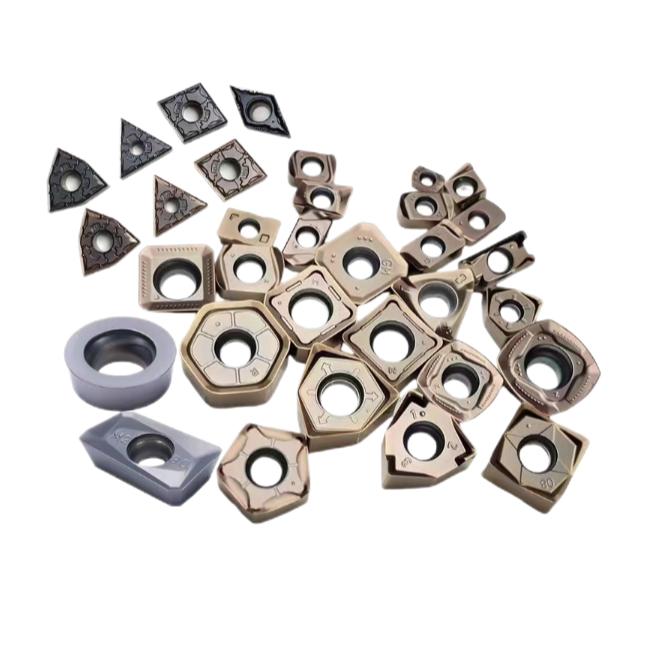
But here’s where many beginners get confused: not all “carbide” tools are created equal. There’s solid carbide, carbide-tipped, and indexable carbide inserts. When professionals refer to a carbide end mill cutter, they almost always mean a solid carbide end mill—a monolithic tool ground entirely from tungsten carbide stock. These are the workhorses of high-performance CNC machining.
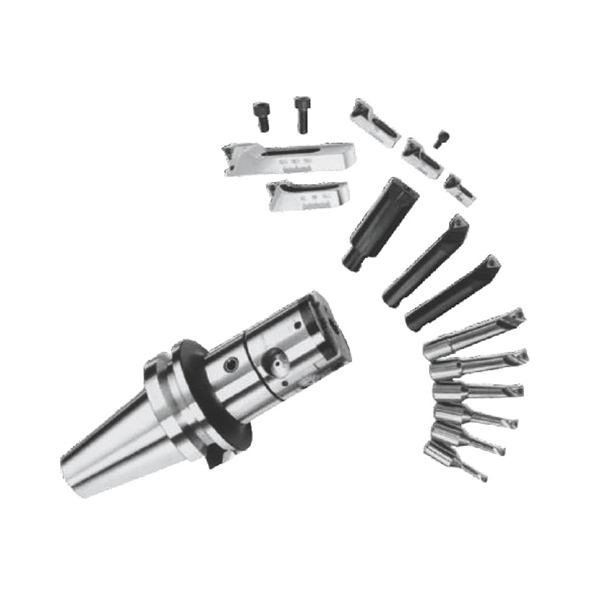
Let me be blunt: if you’re still using HSS end mills for anything beyond occasional prototyping or very soft materials, you’re leaving money on the table. Here’s why carbide dominates modern shops:
1. Higher Cutting Speeds: Carbide can handle surface speeds 3–5× faster than HSS without softening. In production environments, this translates directly to shorter cycle times.
2. Superior Wear Resistance: Especially critical when machining abrasive materials like composites, graphite, or hardened steels.
3. Thermal Stability: Carbide retains its hardness up to ~1000°F (538°C), whereas HSS begins to lose temper around 600°F (315°C).
4. Precision & Consistency: Solid carbide tools hold tighter tolerances over their lifespan, reducing part variation and scrap rates.
I remember switching our shop from HSS to premium carbide end mill cutters for aluminum aerospace brackets. Cycle time dropped by 40%, tool changes went from every 15 parts to every 120—and surface finish improved dramatically. That’s not theory; that’s ROI.
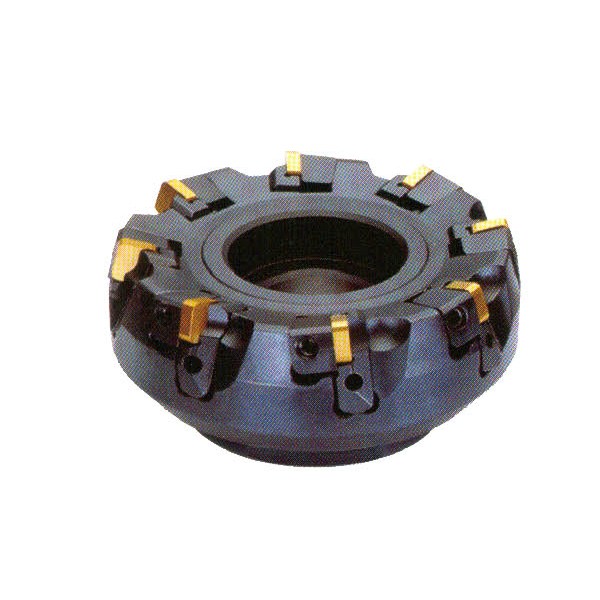
Understanding the geometry of your carbide end mill cutter is essential for selecting the right tool. Let’s dissect the key features:
Flutes: The grooves that form the cutting edges and allow chip evacuation. Common configurations: 2-flute (great for aluminum and slotting), 3-flute (versatile for aluminum and non-ferrous), 4+ flutes (ideal for steel, stainless, and finishing).
Helix Angle: Higher angles (e.g., 45°–60°) reduce cutting forces and improve finish but may sacrifice rigidity. Lower angles (30°–35°) offer more strength for roughing.
Cutting Diameter: Ranges from 0.001" micro-tools to 2"+ heavy-duty cutters. Accuracy here affects feature size and tolerance stack-up.
Shank Type: Straight shank, Weldon flat, or specialized holders (like ER collets or hydraulic chucks). Runout matters—more on that later.
Coatings: TiN, TiCN, AlTiN, and diamond-like carbon (DLC) coatings extend tool life and reduce friction. For example, AlTiN is my go-to for stainless steel—it forms a protective alumina layer at high temps.
One mistake I see constantly? Using a 4-flute end mill to plunge into aluminum. The chips clog, heat builds, and the tool breaks. Match the tool geometry to the material and operation—that’s professional machining.
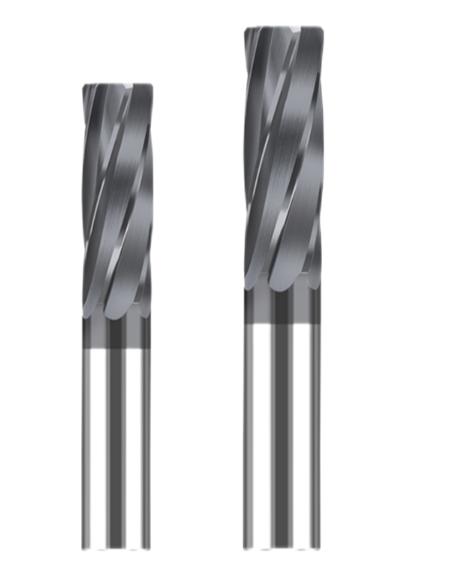
Tungsten carbide isn’t a single material—it’s a family of grades engineered for specific applications. The ISO classification system (K, P, M groups) helps, but real-world selection goes deeper.
K-grade (e.g., K10, K20): Designed for cast iron, non-ferrous metals, and abrasive materials. Softer binder = better impact resistance.
P-grade: Optimized for steel. Harder, finer grain structure resists built-up edge.
M-grade: General-purpose for stainless steels and high-temp alloys.
Micrograin & Submicron Carbide: Used in high-precision or high-feed applications. Extremely hard but more brittle—handle with care.
In my shop, we keep separate inventories: one set of carbide end mill cutters for titanium aerospace parts (fine-grain, AlTiN-coated, 4-flute), another for high-silicon aluminum (polished flutes, 3-flute, DLC-coated). Mixing them up leads to premature failure.
Don’t underestimate coatings. A properly coated carbide end mill cutter can last 2–5× longer than an uncoated one under the same conditions.
TiN (Titanium Nitride): Gold-colored. Good for general-purpose HSS, but outdated for carbide in demanding apps.
TiCN (Titanium Carbonitride): Blue-gray. Better hardness and lubricity than TiN—great for stainless and cast iron.
AlTiN (Aluminum Titanium Nitride): Dark purple/black. My personal favorite for high-temp alloys. Forms a self-healing oxide layer.
DLC (Diamond-Like Carbon): Near-frictionless. Ideal for non-ferrous metals, composites, and plastics.
Pro tip: Never regrind coated tools unless you have access to recoating. Once the coating is gone, performance plummets.
Rigidity, Runout, and Setup: Why Your Tool Holder Matters as Much as the Cutter
Here’s a hard truth: even the best carbide end mill cutter will fail prematurely if your setup is sloppy.
Carbide is hard—but brittle. It doesn’t forgive poor alignment, excessive runout, or inadequate holder grip. I’ve seen shops blame the tool manufacturer when the real issue was a worn ER collet with 0.002" runout.
Best practices:
Use high-precision tool holders (e.g., shrink-fit, hydraulic, or high-quality ER collets).
Keep runout below 0.0002" for small-diameter tools (<1/4").
Ensure proper stick-out—shorter is stronger. Rule of thumb: max flute length should not exceed 4× diameter for stable cuts.
Balance tools for high-RPM applications (>15,000 RPM).
Once, we reduced tool breakage on a deep-pocket stainless job by switching from standard ER collets to hydraulic chucks. Breakage dropped from 1 in 3 tools to 1 in 50. That’s not magic—it’s mechanical integrity.
Regrinding vs. Replacement: When to Retire a Carbide End Mill
Solid carbide end mills can be reground—but only if done correctly. Many shops send tools out for regrinding to save costs, but it’s a double-edged sword.
Consider regrinding only if:
The tool is large diameter (>1/2") and expensive.
You have a trusted regrinder with CNC tool grinders and metrology.
The wear is uniform and limited to the cutting edges (not chipped or fractured).
For small tools (<1/4"), replacement is often more economical. Labor, shipping, and downtime usually outweigh the savings. Plus, each regrind reduces flute length and weakens the tool.
I track tool life per job in our MES system. If a carbide end mill cutter consistently fails before reaching 70% of expected life, I investigate: wrong grade? Bad setup? Incorrect feeds/speeds?
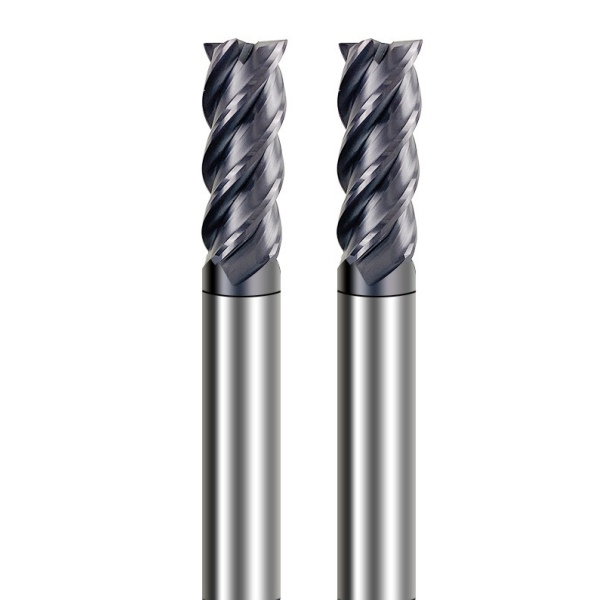
After 15 years, I’ve seen nearly every mistake possible. Here are the top three:
1. Ignoring Chip Load: Running too light a feed causes rubbing instead of cutting, generating heat and dulling the edge. Always calculate chip load:
Chip Load = Feed Rate / (RPM × Number of Flutes)
Stay within the manufacturer’s recommended range.
2. Plunging Without Pecking: Especially in deep slots or sticky materials (like 303 stainless), use peck cycles to clear chips and prevent recutting.
3. Using Flood Coolant on Certain Materials: With aluminum or some plastics, air blast or mist cooling works better—flood coolant can cause thermal shock or poor chip evacuation.
To me, a carbide end mill cutter isn’t just a consumable—it’s a precision instrument. Treat it with respect, understand its design intent, and match it to your application, and it will reward you with consistency, speed, and profitability.
The market is flooded with cheap imported carbide tools. Some are decent; many are junk. Invest in reputable brands (like OSG, Guhring, Harvey Tool, or Niagara) or vetted private labels with proven performance data. Your spindle—and your bottom line—will thank you.
So next time someone asks, “What is a carbide end mill?”—you’ll know it’s far more than a piece of hard metal. It’s the intersection of materials science, precision engineering, and decades of machining wisdom.
Keywords strategically integrated: carbide end mill, carbide end mill cutter, solid carbide end mill, tungsten carbide end mill, carbide cutting tools, CNC end mills, carbide tooling, high-performance end mills.
About the Author: With over 15 years in CNC machining—from Swiss lathes to 5-axis mills—I’ve worked across aerospace, medical device manufacturing, and high-mix job shops. I believe in practical knowledge, data-driven decisions, and never blaming the tool until you’ve ruled out the operator.
person: Mr. Gong
Tel: +86 0769-82380083
Mobile phone:+86 15362883951
Email: info@jimmytool.com
Website: www.jimmytool.com


