

SK Toolholders: Complete Guide to German Precision Systems
Date:2026-02-11Number:1353SK toolholders represent the premium German standard for precision toolholding systems in high-accuracy machining applications, offering exceptional concentricity and repeatability that distinguishes them from conventional ER systems. Developed as a specialized collet system, SK toolholders employ a unique double-angle design that provides superior gripping force and minimal runout characteristics, making them particularly valuable in precision machining operations where tool stability and dimensional accuracy are paramount. These systems have established themselves as the preferred choice for applications demanding the highest levels of precision, including mold and die making, aerospace component manufacturing, and high-precision medical device production where even minimal tool deflection can compromise part quality and dimensional tolerances.
The fundamental distinction of SK toolholders lies in their specialized design approach that emphasizes maximum rigidity and precision over the versatility characteristic of more common toolholding systems. Unlike general-purpose collet systems, SK toolholders prioritize exacting concentricity specifications and enhanced gripping force through their unique mechanical configuration. This design philosophy has positioned SK systems as premium solutions for machining applications where the highest levels of accuracy are non-negotiable, particularly in industries where component value justifies investment in specialized toolholding technology that delivers measurable improvements in machining results. This guide explores the technical characteristics, application advantages, and implementation considerations that define successful SK toolholder utilization in precision manufacturing environments.
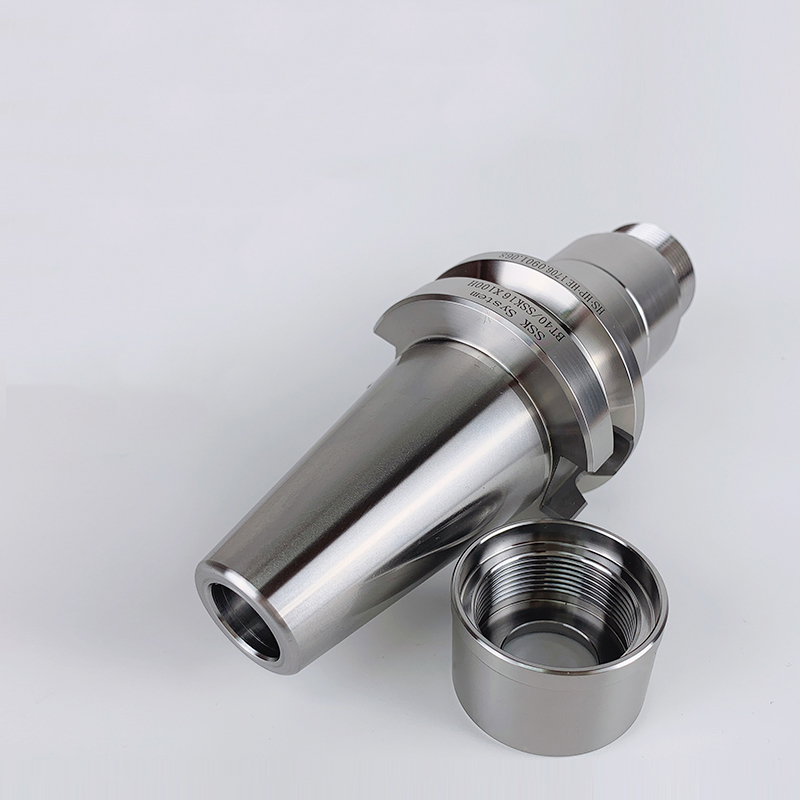
SK toolholder construction begins with precision-machined bodies manufactured from high-grade materials that ensure dimensional stability under demanding machining conditions. The unique double-angle taper design represents the defining characteristic of SK systems, featuring two distinct taper angles that optimize both tool seating and clamping force distribution. This specialized geometry creates a wedging action that centers tools with exceptional accuracy while providing substantially higher gripping forces compared to single-angle systems. The precision manufacturing of these components requires sophisticated grinding processes that achieve the exacting tolerances necessary for consistent performance across extended production runs, with quality control measures ensuring each component meets rigorous German engineering standards.
SK collets form the core of the toolholding system, manufactured from specially selected materials that balance elasticity with structural integrity. The collet design incorporates a complex geometry that matches the toolholder's double-angle configuration, creating a precise mechanical interface that optimizes force transmission from retaining nut to cutting tool. Unlike conventional collet systems, SK collets feature a thicker wall construction that enhances rigidity while maintaining sufficient flexibility for proper tool clamping. This design approach reduces collet deformation under load, minimizing runout variations that can occur during high-speed machining operations. The specialized slot configuration of SK collets further enhances performance by optimizing stress distribution and improving coolant access in through-tool coolant applications.
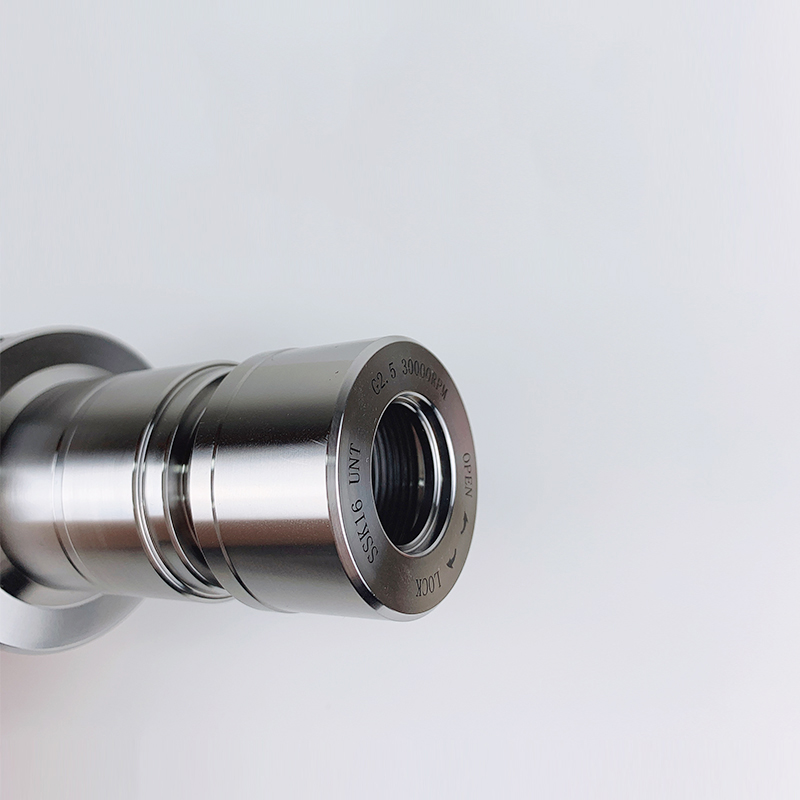
The retaining nut design in SK systems incorporates sophisticated engineering features that ensure consistent clamping force while facilitating proper collet seating. Unlike standard retaining nuts, SK designs incorporate precision-ground threads and specialized drive mechanisms that provide enhanced torque transmission and repeatable tightening characteristics. Many SK retaining nut designs include balancing features that maintain rotational stability at high speeds, with specialized sealing arrangements that protect the collet interface from coolant contamination. The mechanical interaction between nut, collet, and toolholder body in SK systems represents a carefully engineered balance that maximizes clamping force while maintaining exceptional concentricity specifications that distinguish these systems from more conventional toolholding approaches.
The concentricity performance of SK toolholder systems represents their most significant advantage in precision machining applications. Properly assembled SK systems can achieve tool runout measurements as low as 0.001mm (0.00004 inches), providing exceptional tool stability that translates directly to improved surface finishes, extended tool life, and enhanced dimensional accuracy. This superior concentricity results from the precision manufacturing of all system components and the double-angle design that centers tools more effectively than conventional single-angle systems. The rigid collet construction further enhances concentricity stability by minimizing deformation under cutting loads, ensuring consistent tool positioning throughout demanding machining operations.
Clamping force capabilities distinguish SK systems through their ability to securely hold cutting tools against substantial machining forces while maintaining precise concentricity. The double-angle design creates mechanical advantages that generate significantly higher radial forces than comparable ER systems, providing enhanced security for high-performance cutting operations. This increased gripping force proves particularly valuable in applications involving heavy cutting loads, interrupted cuts, or difficult-to-machine materials where tool slippage can compromise both machining results and workplace safety. The enhanced clamping stability also reduces tool chatter and vibration, contributing to improved surface finishes and more predictable tool performance across varying cutting conditions.
Repeatability characteristics of SK toolholder systems ensure consistent performance across multiple tool changes and extended production runs. The precision manufacturing of components and the specialized design of the clamping mechanism provide exceptional positional accuracy when tools are removed and reinstalled in the system. This repeatability proves particularly valuable in production environments where tools require regular removal for maintenance or process adjustments, as it eliminates the need for recalibration and reduces setup time between operations. The consistent performance of SK systems also facilitates process optimization by providing reliable tool positioning that supports predictable machining outcomes and reduces variability in part quality.
Mold and die making applications benefit significantly from SK toolholder systems through their exceptional precision and stability characteristics. The high-accuracy requirements of injection molds, die casting tools, and stamping dies demand toolholding systems that minimize runout and maintain dimensional consistency throughout extended machining operations. SK systems provide the concentricity necessary for fine surface finishes on mold cavities while offering sufficient rigidity for heavy roughing operations common in mold base preparation. The repeatability of SK systems proves particularly valuable in multi-operation mold making processes where tools require frequent changes between roughing, semi-finishing, and finishing operations while maintaining precise positional relationships.
Aerospace component manufacturing utilizes SK toolholding systems for critical applications where dimensional accuracy directly influences component performance and safety. The complex geometries and tight tolerances characteristic of aerospace parts demand toolholding solutions that provide exceptional stability and precision. SK systems support high-speed machining of aluminum aerospace alloys while maintaining the accuracy necessary for airframe and engine components. For titanium and high-temperature alloy machining, the enhanced clamping force of SK systems provides additional security against tool movement during demanding cutting operations. The reliability and consistency of SK toolholders contribute to process predictability in aerospace manufacturing where component value justifies investment in premium toolholding technology.
Medical device production represents another significant application area where SK toolholder systems deliver measurable benefits through their precision capabilities. The small-scale features and exacting tolerances of orthopedic implants, surgical instruments, and dental components demand toolholding systems that provide exceptional concentricity and minimal vibration. SK systems support micro-machining operations with miniature tools while maintaining the rigidity necessary for machining biocompatible materials including titanium alloys and surgical steels. The consistent performance of SK toolholders contributes to process validation requirements in medical manufacturing by providing reliable tool positioning that supports predictable machining outcomes and reduces variability in critical component dimensions.
Toolholder body selection for SK systems begins with proper spindle interface matching, as with any precision toolholding application. CAT (BT) taper configurations represent common choices for SK systems in general precision machining applications, providing reliable interface characteristics that support the system's precision capabilities. HSK interfaces offer enhanced performance for high-speed applications through improved rigidity and balanced characteristics. Special consideration should be given to coolant delivery requirements, with many SK systems offering through-tool coolant capabilities that support demanding machining operations. The selection process should balance interface requirements with specific application needs, considering factors including spindle speed capabilities, machine rigidity, and coolant system specifications.
Collet size selection follows SK system designations that accommodate specific tool diameter ranges with optimized performance characteristics. Unlike more versatile systems, SK collets typically offer smaller collapse ranges that prioritize precision over flexibility, requiring more exact tool diameter matching. This design approach ensures optimal gripping characteristics and concentricity performance but necessitates more extensive collet inventories to accommodate varying tool sizes. Proper collet selection requires careful consideration of both nominal tool diameter and actual measurement, as the precise fitting characteristics of SK systems demand accurate diameter matching for optimal performance. The selection process should also consider material-specific requirements, with specialized collet designs available for particular applications or material families.
Performance grade considerations in SK toolholding systems emphasize precision manufacturing and quality control throughout the component manufacturing process. Unlike systems with distinct standard and precision grades, SK systems inherently represent precision toolholding solutions designed for demanding applications. However, variations in manufacturing tolerances and quality control procedures can influence system performance, with premium SK components typically undergoing additional inspection and verification processes. The selection of appropriate quality levels should align with specific application requirements, balancing performance needs against economic considerations in contexts where the highest precision levels may not justify additional investment.
Proper assembly procedures for SK toolholder systems require meticulous attention to component preparation and installation techniques to achieve optimal performance characteristics. Component cleaning represents a critical first step, with particular attention to the double-angle interfaces that must remain free from contamination to ensure proper seating. Tool shank preparation requires careful inspection and cleaning to remove any burrs, debris, or residues that could interfere with collet gripping or concentricity. Assembly techniques should follow manufacturer recommendations regarding tightening sequences and torque specifications, as the specialized design of SK systems responds differently to installation forces than conventional collet systems. Proper assembly practices not only ensure optimal performance but also protect system components from damage that could compromise precision characteristics.
Maintenance protocols for SK toolholder systems emphasize preventive measures that preserve precision characteristics throughout extended service life. Regular inspection routines should examine all system components for signs of wear, damage, or contamination that could affect performance. The double-angle interfaces require particular attention, as even minimal wear can compromise concentricity and gripping force. Cleaning procedures should remove all machining residues and coolant contaminants without introducing abrasives that could damage precision surfaces. Storage practices should protect components from environmental factors that could cause corrosion or dimensional changes, with controlled environments recommended for long-term preservation of precision characteristics.
Performance verification represents an essential component of SK toolholder implementation, providing validation of system capabilities and identifying potential issues before they affect production quality. Runout measurement using precision indicators confirms concentricity characteristics and identifies potential assembly or component issues. Gripping force verification ensures proper clamping capability, particularly important after component replacement or maintenance procedures. Process monitoring during initial implementation provides valuable data regarding system performance under actual machining conditions, supporting optimization of operating parameters and identifying potential compatibility issues with specific machine tools or cutting processes.
Cost analysis for SK toolholder systems must consider the premium investment required for these precision systems balanced against the performance benefits they deliver in appropriate applications. While SK components typically command higher prices than conventional toolholding systems, their value proposition emerges clearly in applications where precision improvements translate directly to enhanced part quality, reduced scrap rates, or elimination of secondary operations. The economic justification for SK systems becomes most apparent in high-value component manufacturing, precision mold making, and applications where machining accuracy directly influences product performance or regulatory compliance.
Implementation strategy for SK toolholding systems benefits from phased approaches that allow performance verification and process optimization before full-scale deployment. Initial implementation in critical applications provides valuable experience with system capabilities and requirements, supporting broader implementation decisions based on demonstrated results rather than theoretical advantages. Training programs should address both the technical characteristics of SK systems and the procedural requirements for optimal performance, as improper handling or maintenance can compromise even the most precisely manufactured toolholding systems.
The ongoing role of SK toolholding systems in precision manufacturing continues to evolve alongside advancements in machining technology and materials. While newer toolholding technologies continue to emerge, SK systems maintain their position as premium solutions for applications demanding the highest levels of precision and reliability. Their continued relevance reflects both the enduring value of their design principles and the proven performance they deliver in demanding manufacturing environments where precision represents not merely a preference but an essential requirement for success.
person: Mr. Gong
Tel: +86 0769-82380083
Mobile phone:+86 15362883951
Email: info@jimmytool.com
Website: www.jimmytool.com


