

BT or CAT Toolholder: Which is Right for Your CNC?
Date:2026-02-25Number:1482
In the world of CNC machining, BT and CAT toolholders represent the two dominant steep taper systems that power the majority of machining centers worldwide. Understanding the distinctions between these standards is essential for anyone involved in machine tool selection, tooling procurement, or machining process optimization. While both systems share the same fundamental 7:24 taper ratio, their differences in flange design, regional adoption, and performance characteristics create important considerations for manufacturers seeking optimal toolholding solutions. This guide explores the practical distinctions between BT and CAT systems, helping you make informed decisions for your specific machining requirements.
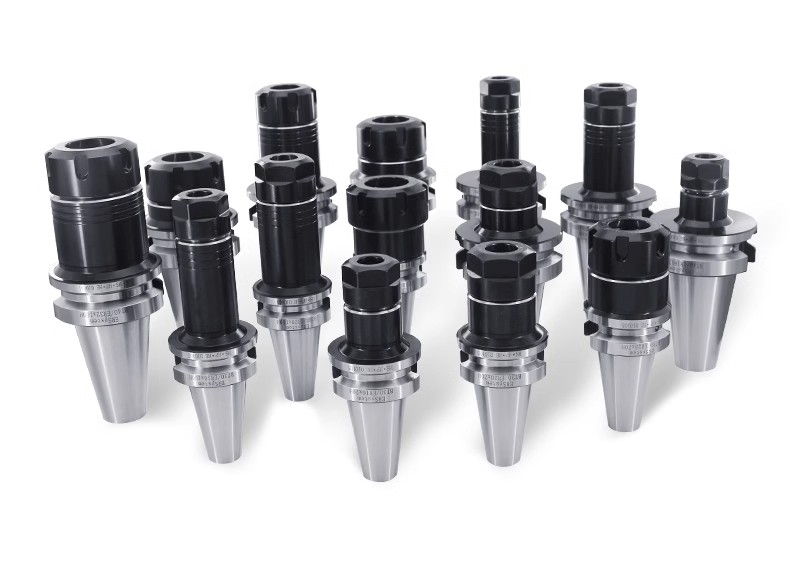
Before examining their differences, it is important to understand what BT and CAT toolholders have in common. Both systems utilize the identical 7:24 taper ratio, meaning the taper angle and basic dimensional relationships are mathematically equivalent across both standards. This shared geometry ensures that the fundamental fit between toolholder taper and machine spindle follows the same mechanical principles, with the drawbar pulling the holder into the spindle to create frictional engagement that transmits torque and maintains positional accuracy.
Both systems require retention knobs, commonly called pull studs, to provide the drawbar with a gripping point for securing the holder within the spindle. These components are specific to each system and are not interchangeable between BT and CAT holders. Additionally, both systems share common size designations where the number indicates the taper dimension at the large end, with BT40 and CAT40 representing the most widely used sizes in general machining applications.
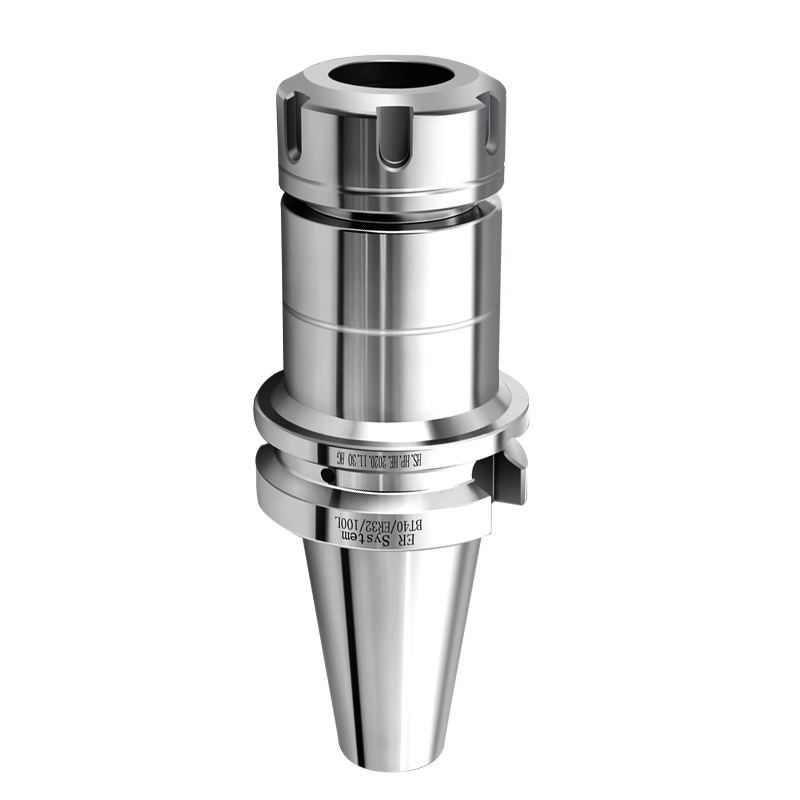
The most significant distinction between BT and CAT toolholders lies in their flange design. BT toolholders, standardized under Japanese Industrial Standard JIS B6339, feature a symmetrical flange design where the V-grooves and drive slots are evenly distributed around the holder circumference. This symmetry provides inherent balance advantages, as the mass distribution around the toolholder axis is uniform, reducing vibration tendencies at higher rotational speeds.
CAT toolholders, standardized under American National Standard ANSI/ASME B5.50, employ an asymmetrical flange design with drive slots and identification features that are not evenly distributed. This asymmetry originated from Caterpillar Inc.'s internal standardization that later became the U.S. national standard. The asymmetrical design includes distinctive features such as an identification hole used for tool positioning in automatic tool changers. While functionally adequate for most applications, this asymmetry creates inherent balance challenges at higher speeds compared to the symmetrical BT design.
Flange thickness represents another notable difference. BT holders typically feature thicker flanges compared to their CAT counterparts, providing additional material at this critical interface. This thicker flange contributes to the rigidity and stability of BT holders in heavy cutting applications.
The geographical distribution of BT and CAT systems reflects their origins in different manufacturing markets. CAT toolholders, developed by Caterpillar Inc., became the dominant standard across North America and remain the most widely used system in the United States today. The CAT40 size, in particular, has become synonymous with general-purpose machining in American job shops and production facilities.
BT toolholders, originating from Japanese standards, dominate Asian markets and have gained significant adoption throughout Europe and other regions. The BT system's prevalence reflects the global influence of Japanese machine tool manufacturers, with many Asian-built machining centers shipping standard with BT spindles. This regional distribution creates practical considerations for manufacturers operating multiple facilities across different regions or acquiring machines from various global sources.
The distinction between these regional standards extends beyond preference to practical compatibility. BT and CAT toolholders are not directly interchangeable, as their flange dimensions, V-groove positions, and pull stud specifications differ. Attempting to use a BT holder in a CAT spindle, or vice versa, can result in improper seating, automatic tool changer interference, and potential damage.
Pull stud design represents another critical distinction between BT and CAT systems. CAT toolholders typically use retention knobs with inch-based (UNC) threads, reflecting their American origin. These pull studs are available in various configurations to accommodate different machine drawbar requirements while maintaining inch thread specifications.
BT toolholders employ metric thread pull studs, consistent with their Japanese origin and the metric measurement systems prevalent in Asian and European manufacturing. The tensioning surface angles may also vary, with BT pull studs available in different configurations depending on specific machine requirements.
This distinction creates important considerations for tooling inventory management. Pull studs are not interchangeable between systems, and incorrect matching can result in improper retention or damage to drawbar mechanisms. Manufacturers must ensure that pull studs match both the toolholder standard and the specific machine requirements.
While both systems perform admirably in general machining applications, their performance characteristics diverge as rotational speeds increase. The symmetrical design of BT holders provides inherent balance advantages that become increasingly valuable at higher spindle speeds. This symmetry reduces vibration tendencies and supports smoother operation in applications exceeding typical machining speeds.
Both systems, however, share a fundamental limitation inherent to steep taper design. At elevated rotational speeds, centrifugal force causes the spindle bore to expand slightly, potentially reducing the contact pressure between taper and holder. In extreme cases, this can allow the toolholder to be drawn deeper into the spindle, causing Z-axis positional changes that compromise precision. This phenomenon becomes increasingly problematic above 10,000 to 15,000 RPM.
For applications requiring the highest speeds, advanced dual-contact systems like HSK or modified steep taper designs with face contact offer solutions. The BIG-PLUS system, for example, modifies standard BT and CAT holders to provide simultaneous taper and flange contact, improving rigidity at high speeds.
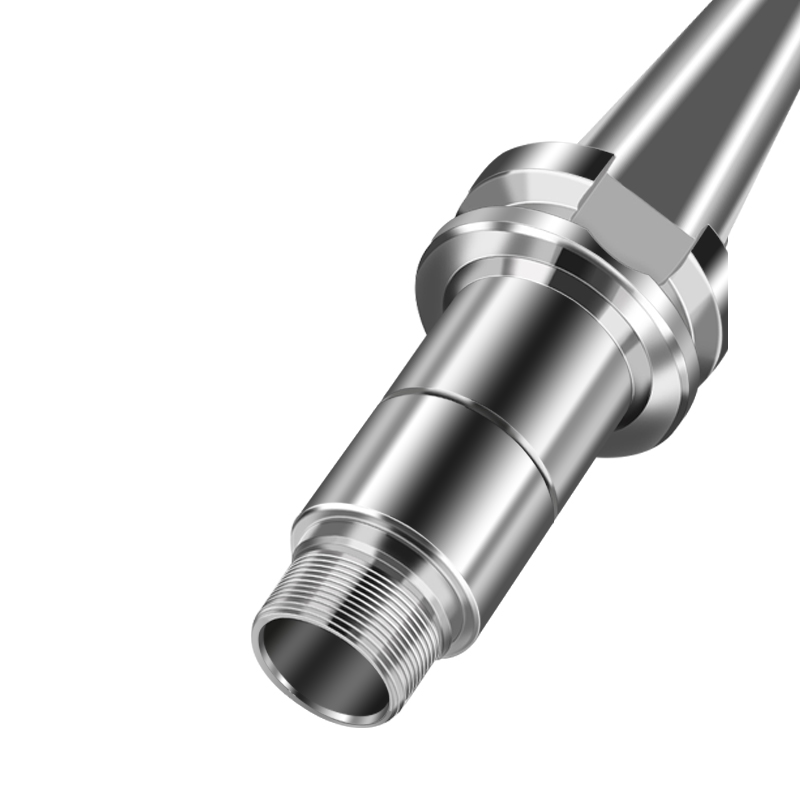
Choosing between BT and CAT toolholders begins with a fundamental consideration: the machine spindle determines the required toolholder standard. A machine with a BT spindle requires BT toolholders, and a CAT spindle requires CAT toolholders, with no compatibility between systems. This machine-driven requirement represents the primary selection criterion.
For manufacturers acquiring new machines, the choice between BT and CAT may be influenced by existing tooling inventory and regional standards. Facilities with substantial investment in one system should maintain consistency with future machine acquisitions to maximize tooling utilization. Companies operating multiple facilities across different regions may face challenges maintaining consistent standards.
Application requirements also influence the decision when machine options allow choice. For general-purpose machining at moderate speeds, both systems perform admirably. For applications approaching high-speed limitations, BT's symmetrical flange provides modest balance advantages, though both systems face similar constraints at extreme speeds.
Successful implementation requires attention to several key factors. Toolholder quality varies significantly across manufacturers, with precision-ground holders providing superior concentricity and balance. Investment in quality tooling typically returns dividends through improved machining results and extended tool life.
Pull stud installation demands particular attention, as these components directly affect tool retention and safety. Pull studs should match both the toolholder standard and machine requirements, with proper thread engagement verified during installation. Torque specifications should be followed precisely to ensure adequate retention without damaging components.
Toolholder maintenance preserves performance and extends service life. Regular cleaning of taper surfaces prevents contamination that could compromise seating accuracy. Inspection for nicks, burrs, or wear identifies potential issues before they affect machining quality. Proper storage protects tapers from damage and keeps tooling organized.
The toolholding landscape continues to evolve, with advanced systems like HSK gaining traction in high-speed applications where steep taper limitations become significant. However, BT and CAT systems remain firmly established as the workhorses of general machining, supported by enormous installed bases and extensive aftermarket availability.
Modified steep taper systems offering dual-contact functionality extend the capabilities of BT and CAT holders into higher speed ranges, providing upgrade paths for manufacturers invested in these standards. These hybrid approaches maintain compatibility while offering performance improvements.
For the vast majority of general machining applications, BT and CAT toolholders will continue serving as reliable, cost-effective solutions that balance performance, availability, and economic considerations. Understanding their similarities, differences, and appropriate applications ensures manufacturers can make informed decisions that optimize their machining operations within the practical constraints of their existing equipment and production requirements.
person: Mr. Gong
Tel: +86 0769-82380083
Mobile phone:+86 15362883951
Email: info@jimmytool.com
Website: www.jimmytool.com


