

Best CNC Milling Cutters for Modern Machining
Date:2026-02-04Number:1237CNC milling cutters represent the critical interface between sophisticated machining centers and the precision components they produce, serving as the essential tools that transform digital designs into physical reality. These advanced cutting instruments have evolved significantly from their manual machining predecessors, incorporating material science innovations, geometric optimizations, and coating technologies specifically developed to maximize the capabilities of modern computer-controlled equipment. The selection and application of appropriate CNC milling cutters directly influences not only machining efficiency and part quality but also the overall economic performance of manufacturing operations, making informed tooling decisions a fundamental aspect of competitive machining strategy.
The relationship between CNC machine capabilities and cutting tool performance has created a symbiotic technological advancement, with each driving improvements in the other. As CNC machines gained higher spindle speeds, increased rigidity, and more sophisticated control systems, cutting tool manufacturers responded with designs that could utilize these enhanced capabilities. Conversely, advancements in cutting tool materials and geometries have enabled CNC machines to achieve precision and productivity levels previously unimaginable. This continuous co-evolution has transformed CNC milling from a simple material removal process into a highly optimized manufacturing science where every tool selection represents a balance of technical considerations and economic factors aimed at achieving specific production objectives.
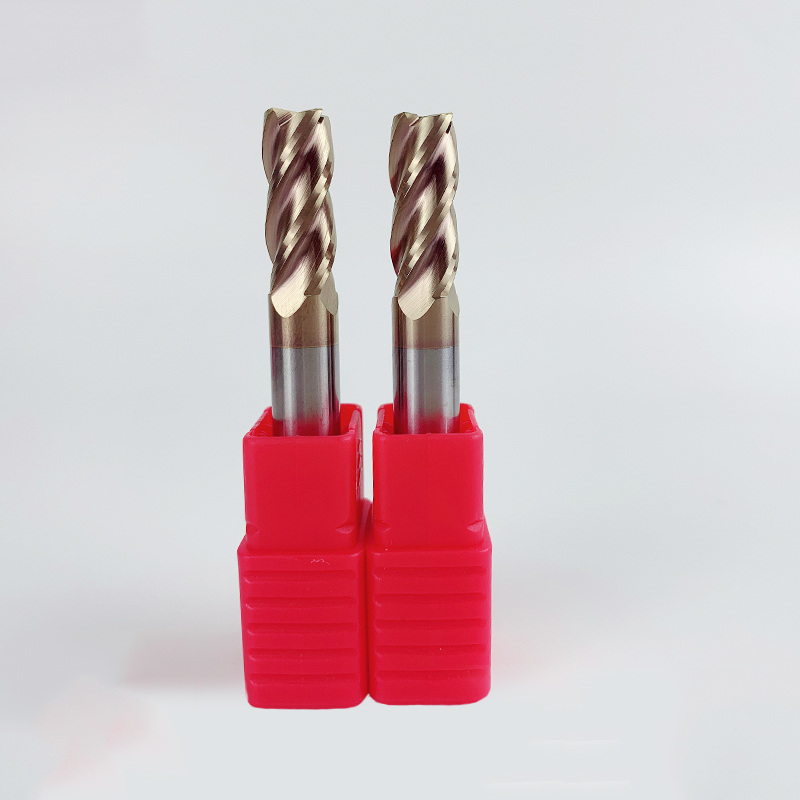
CNC milling cutter construction begins with substrate materials engineered for the specific demands of computer-controlled machining environments. Solid carbide has become the predominant material choice for most CNC applications, offering the ideal balance of hardness, toughness, and thermal resistance necessary for the high-speed, high-precision operations characteristic of modern machining centers. The manufacturing process transforms micron-sized tungsten carbide powders and cobalt binders through precise pressing and high-temperature sintering into the dense, homogeneous structures that provide the foundation for CNC cutting performance. This material foundation enables the aggressive parameters and extended tool life that differentiate CNC operations from conventional machining approaches.
Geometric design represents perhaps the most visible distinction between CNC milling cutters and their conventional counterparts. Advanced flute designs, optimized helix angles, and specialized edge preparations work in concert to control chip formation, manage cutting forces, and optimize surface finish—all critical considerations in unmanned or minimally supervised CNC operations. Variable helix and variable pitch designs disrupt harmonic vibrations that can compromise surface quality and tool life in high-speed applications. Corner radius implementations strengthen cutting edges while maintaining dimensional capabilities. High-efficiency geometries leverage chip thinning effects to enable higher feed rates without increasing cutting forces, maximizing material removal rates within machine power limitations. Each geometric feature serves specific purposes in the complex interaction between tool, material, and machine that defines successful CNC machining.
Coating technologies provide performance enhancements that have become virtually essential in CNC milling applications. Advanced physical vapor deposition processes apply nanometer-thin layers of specialized materials that reduce friction, manage heat, prevent material adhesion, and extend tool life dramatically. Titanium aluminum nitride (TiAlN) and aluminum titanium nitride (AlTiN) coatings offer thermal protection for high-speed operations and difficult materials. Diamond-like carbon (DLC) coatings provide exceptional lubricity for non-ferrous applications. Nanocomposite and multilayer coatings combine multiple materials in optimized architectures that address specific machining challenges. These surface enhancements work synergistically with substrate properties and geometric designs to create complete cutting tool systems engineered for CNC machining requirements.
End mills represent the most versatile and widely used CNC milling cutters, available in countless variations designed for specific materials and operations. Square end mills provide general-purpose capabilities for shoulder milling, slotting, and profiling applications. Ball nose cutters enable complex three-dimensional contouring essential for mold, die, and aerospace component manufacturing. Corner radius designs offer increased edge strength for demanding materials while maintaining dimensional flexibility. Specialized end mill categories include roughing cutters with serrated edges that break chips into manageable segments, finishing cutters with polished edges and optimized geometries for superior surface quality, and high-performance designs that maximize material removal rates through advanced chip thinning geometries. Each category serves specific niches within the broader CNC machining landscape, with selection depending on operation requirements, material characteristics, and production objectives.
Face mills and shell mills address large surface area machining with efficiency unmatched by end mills, utilizing indexable insert technology to balance cutting performance with economic considerations. These larger diameter tools employ carefully engineered insert geometries and cutting patterns to optimize surface finish while managing cutting forces across extensive engagements. High-feed designs utilize small lead angles and specialized insert geometries to achieve exceptional feed rates with reduced power consumption, particularly valuable in aerospace and automotive applications where large surfaces require efficient material removal. Copy mills provide square shoulder capabilities for peripheral milling applications, bridging the gap between face milling and end milling operations in complex part geometries.
Specialized CNC milling cutters address unique manufacturing challenges with targeted solutions. Thread mills generate precision threads through helical interpolation, offering advantages over conventional tapping in difficult materials and complex part configurations. T-slot cutters and woodruff keyseat cutters produce specific geometric features essential for mechanical assemblies. Chamfer mills prepare edges for assembly or create specific angular features. Profile cutters generate complex forms through shaped cutting edges. Each specialized tool category represents an engineered solution to manufacturing requirements that standard cutters cannot address efficiently, expanding CNC machining capabilities beyond basic geometric operations into complete component manufacturing solutions.
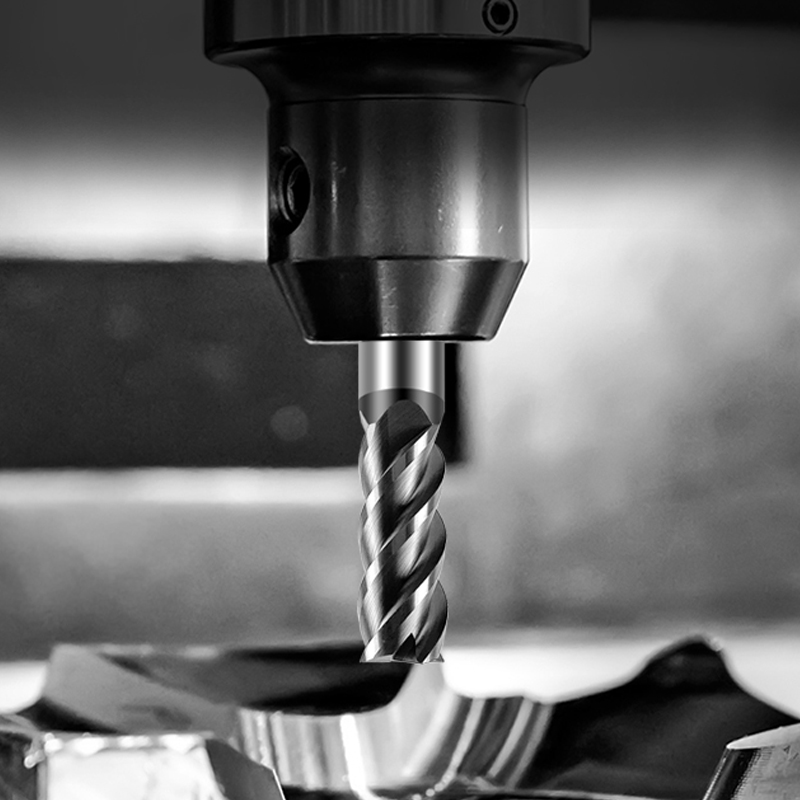
Aluminum and non-ferrous material machining benefits particularly from CNC milling cutter advancements, with specialized geometries and surface treatments developed to address material-specific challenges. High helix angles and polished flute surfaces prevent chip adhesion in gummy alloys, while specialized coatings reduce built-up edge formation. The high thermal conductivity of aluminum allows aggressive parameters when proper chip evacuation is maintained, making tool geometries that facilitate chip removal particularly valuable. For high-silicon aluminum alloys, carbide's wear resistance becomes essential for maintaining cutting performance through extended production runs. The programming flexibility of CNC equipment combines with optimized tooling to achieve exceptional material removal rates and surface finishes in non-ferrous applications.
Steel and iron alloy machining demands different approaches that balance cutting forces, heat management, and tool life considerations. Moderate helix angles provide edge strength for the higher cutting forces characteristic of steel machining, while specialized coatings manage the heat concentration at cutting edges. For stainless materials with work-hardening tendencies, consistent engagement and proper parameter selection prevent surface hardening that can compromise both tool life and part quality. Hardened steels above 45 HRC require micrograin carbide substrates and specialized geometries that maintain cutting edge integrity under extreme pressures. Cast iron's abrasive nature demands wear-resistant tooling approaches, with proper chip control to prevent recutting of abrasive particles. Each steel category benefits from tooling strategies specifically developed for its material characteristics and machining behaviors.
Exotic materials including titanium, Inconel, and high-temperature alloys present particular challenges that advanced CNC milling cutters address through specialized designs. These materials' combination of high strength, low thermal conductivity, and chemical reactivity demands careful management of cutting forces, heat generation, and tool-workpiece interactions. Variable helix designs disrupt harmonic vibrations that can compromise surface finish and tool life in these difficult-to-machine materials. Specialized substrate formulations resist chemical interactions that accelerate tool wear. Conservative radial engagements and optimized toolpaths manage cutting forces within acceptable ranges. The programming capabilities of CNC equipment prove particularly valuable in exotic material machining, allowing precise control over engagement conditions that optimize tool performance while managing the unique challenges these materials present.
Tool selection methodology must balance multiple factors to achieve optimal CNC milling results. Material characteristics establish fundamental requirements for substrate composition, coating selection, and geometric features. Operation type—whether roughing, finishing, or specialized machining—determines priority considerations between material removal rate, surface finish quality, and dimensional accuracy. Machine capabilities including spindle speed, rigidity, and coolant delivery influence parameter limitations and tool design suitability. Production volume and part value establish economic frameworks that guide investment decisions in premium tooling solutions. This multi-factor analysis ensures tool selections align with specific application requirements rather than relying on generalized approaches that may not address particular machining challenges.
Parameter optimization transforms capable tools into high-performance machining solutions, with cutting speed, feed rate, and depth of cut selections establishing the operating conditions that determine productivity and tool life. Modern CNC capabilities allow precise control over these parameters, with adaptive control systems adjusting conditions in response to real-time machining feedback. Cutting speed selection balances material removal rate with tool life expectations, typically utilizing higher speeds for non-ferrous materials and more conservative approaches for difficult alloys. Feed rate optimization considers chip formation characteristics, surface finish requirements, and machine capability. Depth of cut decisions balance material removal objectives with tool rigidity and machine power. The interplay between these parameters creates the cutting conditions that ultimately determine machining performance and economic results.
Toolpath strategy represents the programming dimension of CNC milling optimization, with modern computer-aided manufacturing systems offering sophisticated approaches that enhance tool performance. High-efficiency toolpaths maintain constant tool engagement to prevent sudden load variations that can compromise tool life and surface finish. Trochoidal milling utilizes circular tool motion with small radial engagements to manage cutting forces in difficult materials or deep slotting applications. Adaptive clearing strategies adjust toolpaths based on material conditions and tool performance. These advanced programming approaches, combined with optimized tools and parameters, enable CNC milling performance that maximizes machine investment while achieving quality and productivity objectives across diverse manufacturing applications.
Economic considerations must extend beyond simple tool cost evaluations to encompass total machining economics, including cycle time, quality consistency, machine utilization, and production reliability. While premium CNC milling cutters represent higher initial investment than conventional alternatives, their performance advantages typically justify this investment through improved productivity, extended tool life, and enhanced part quality. The true economic measure emerges not from tool price comparisons but from total cost per part calculations that consider all machining expenses. This comprehensive economic perspective guides intelligent tooling investments that leverage CNC milling cutter capabilities to achieve competitive manufacturing performance in increasingly demanding global markets.
person: Mr. Gong
Tel: +86 0769-82380083
Mobile phone:+86 15362883951
Email: info@jimmytool.com
Website: www.jimmytool.com


