

Types of Thread Mills: 6 Pro Secrets for CNC Efficiency
Date:2026-04-08Number:1395
Selecting the wrong tool from the various types of thread mills can increase your cycle time by 50 percent or lead to the sudden scrapping of an expensive component. We recently saw a case where a shop saved 65 percent in tool costs on a large-diameter project just by switching from solid carbide to an indexable system.
This guide breaks down the performance differences between solid carbide, indexable, and single-form cutters to help you optimize your tool magazine. You will learn which geometries handle tough alloys and how to lock in a plus/minus 0.01mm pitch diameter tolerance every single time.
The physical design of your thread mill determines how much lateral pressure is applied to the machine spindle and the part walls. Choosing the right tool allows you to push faster feed rates without the risk of tool deflection ruining the thread quality. Efficient tool selection is the first step in successful machining for high-precision projects, and understanding the
Solid carbide thread mills provide maximum rigidity, which is essential for machining small threads under 12mm. This high stiffness prevents the tool from "walking" or bending when you are cutting into hard materials above 40 HRC.
These tools often feature advanced coatings like TiAlN to handle the high heat generated during difficult cuts. If you are debating between traditional methods and modern milling, our analysis of
When you are machining threads larger than 20mm, replacing a solid carbide tool every time it wears down becomes incredibly expensive. Indexable types of thread mills allow you to replace only the carbide insert, keeping your long-term tooling budget under control.
This system is perfect for heavy-duty industrial applications where you need to move a lot of material quickly. The ability to swap inserts also allows you to switch between different thread standards using the same high-quality tool body.
Single-form thread mills are the "Swiss Army Knife" of the machine shop because one tool can cut multiple different pitches. They exert very low pressure on the part, making them the best option for thin-walled components or when using specialized
Multi-form thread mills feature multiple rows of teeth, allowing them to cut the entire thread depth in a single circular pass. While they are less flexible, they can reduce your cycle time by 3 to 5 times compared to single-form tools.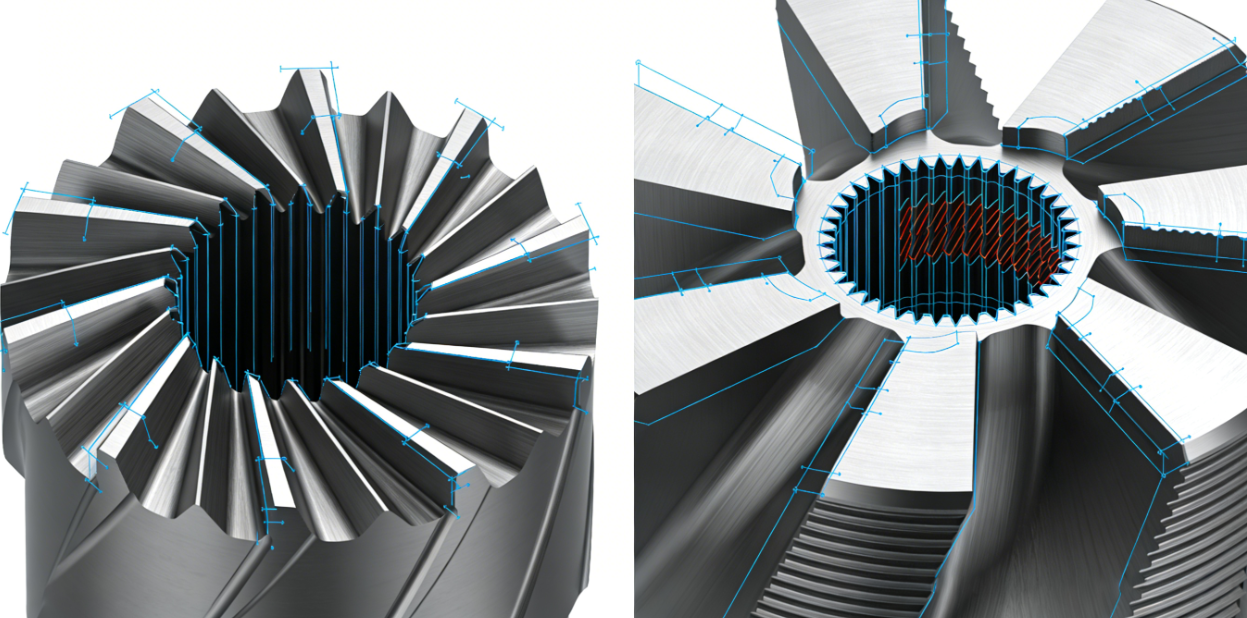
Stop Scrapping High-Value Parts
Are you struggling with tool breakage or thread quality on complex geometries? Browse our full range of high-performance
Heat buildup is the primary enemy of thread quality, especially when you are working with sticky materials like aluminum. Coolant-through types of thread mills force high-pressure fluid directly to the cutting edge to flush out chips.
Effective chip evacuation prevents "recutting," which is the most common cause of chipped tool teeth and rough surface finishes. If you are unsure about your setup, read our guide on
Tapered threads for oil or gas applications require extreme contour accuracy to ensure a pressure-tight seal. Using a dedicated tapered thread mill ensures the 1 degree 47 minute angle is perfectly consistent across the entire thread length.
These specialized tools are essential for producing professional-grade components that require perfect fitment. For the best results, always verify your
If your machine has a limited tool changer capacity, combination tools can drill the pilot hole, chamfer the edge, and mill the thread in one operation. This "three-in-one" approach significantly reduces tool-change downtime and improves your overall throughput.
While these tools are highly efficient, they require precise programming to ensure the drill tip does not interfere with the thread path. Referencing a
What are the different types of thread mills?
The main types include solid carbide, indexable, single-form, multi-form, and tapered thread mills, as well as combination drill-thread tools.
Is single-form better than multi-form thread milling?
Single-form is better for flexibility and deep holes with low pressure, while multi-form is superior for high-speed production and shorter cycle times.
When should I use carbide thread mills over taps?
Use thread mills when you are working with hard materials, expensive parts where you cannot risk a broken tap, or when you need to adjust thread fit precisely.
Choosing from the professional types of thread mills is a strategic decision that affects your part quality and your company's profitability. Don't let outdated tooling choices slow down your production or lead to unnecessary scrap.
Ready for an Optimized Quote?
Our engineers provide expert advice on cutting tools and high-precision machining to meet your exact specifications.
person: Mr. Gong
Tel: +86 0769-82380083
Mobile phone:+86 15362883951
Email: info@jimmytool.com
Website: www.jimmytool.com


