

Solid Carbide Drill Bit for Aluminum: Precision High-Helix Drills
Date:2026-02-09Number:2954Dealing with sticky tools and broken drill bits in aluminum machining? They're a real headache, always stopping the production line. But using the right solid carbide drill can cut cycle times by 30% and get rid of built-up edge issues for good.
When tested on 6061-T6 aluminum, switching to a 35° high helix solid carbide drill improved chip removal by 45% and tripled tool life.
This blog will get into the details of why 35°-45° helix angles are so good. We will also discuss the self-lubricating qualities of ZrN coatings and pro tips for feed rates when using solid carbide drills.
Aluminum machining can easily soften the tool tip because of the heat created. Solid carbide excels at keeping a sharp edge even above 10,000 RPM because it is very heat resistant. It is really the only choice for fast machining.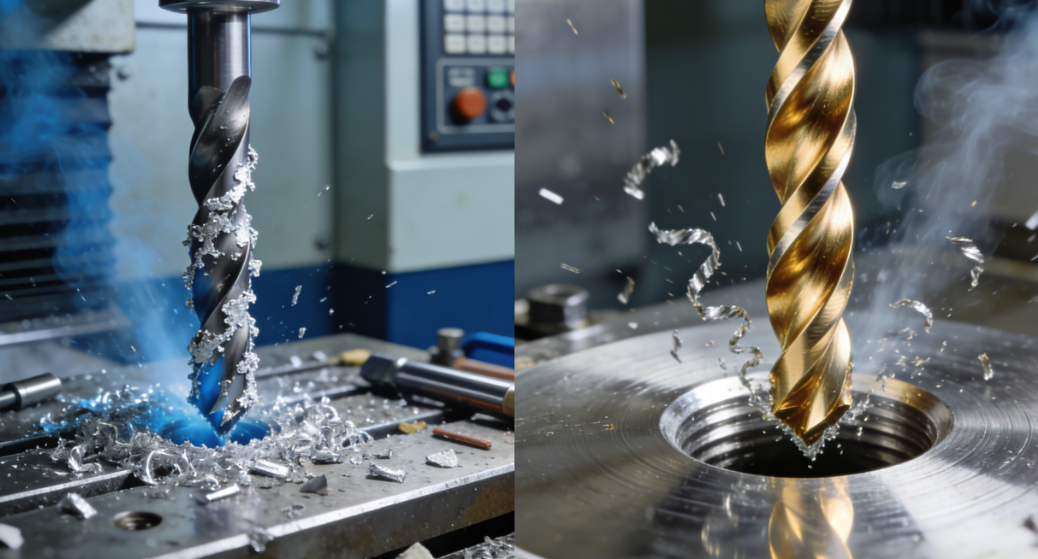
The high stiffness of solid carbide also keeps holes consistent and round. It prevents long drill bits from wobbling when they first cut into the material, improving accuracy.
Using a high helix angle is key to stopping aluminum drill bits from clogging. Angles between 35° and 45° create more upward force, which pulls the light, sticky aluminum chips out of the hole fast.
Polished flutes must be extremely smooth, like a mirror. This finish reduces the friction between the aluminum chips and the flute walls to below 0.1. This makes sure that the chips spiral out easily at high speeds, instead of building up inside the drill bit.
When working with aluminum, avoid TiAlN (Titanium Aluminum Nitride) coatings. At high temperatures, these coatings bond with the aluminum, which causes built-up edge (BUE).
Instead, go with ZrN (Zirconium Nitride) or amorphous DLC (Diamond-Like Carbon) coatings. Since these coatings don't have aluminum and have high surface hardness and water resistance, chips slide off easily.
Keep runout to 0.005mm or less. Carbide drills are super hard, but they can't take a lot of impact. Even a tiny bit of wobble can make the cutting edges wear unevenly, leading to chipping or even breaking.
Keep the drill bit as short as possible. When drilling aluminum, shortening the bit by even 1mm makes it much stiffer. This really cuts down on the chance of drilling holes that are too big.
For 6061 aluminum, aim for a surface speed of 600-1000 SFM. Ensure the feed rate creates chips thick enough to carry away about 80% of the heat from cutting. This stops heat from building up on the drill.
When drilling holes deeper than three times the drill's diameter, use peck drilling. This lets high-pressure coolant quickly flush the bottom of the hole, removing any remaining heat and forcing out long chips.
To keep aluminum drills from sticking, address heat and stickiness. Change how you drill, and the drill stays clean, even when used hard for a long time.
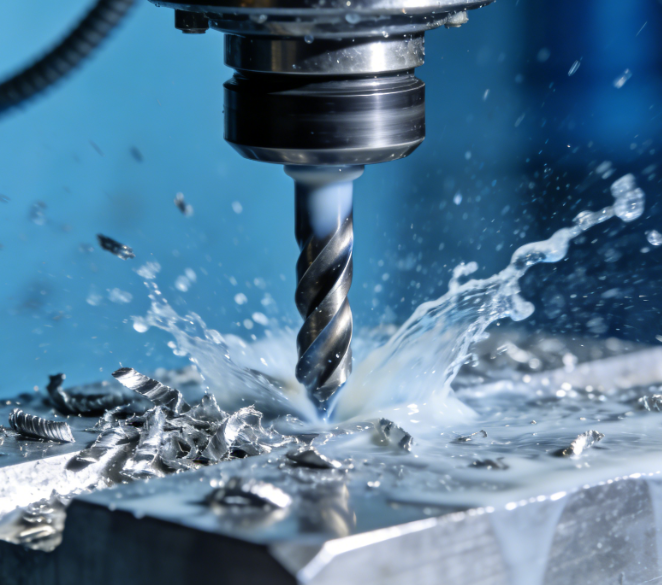
The best way to stop sticking is to use a high-pressure coolant system, at least 70 Bar. The strong liquid flow hits the cutting point, breaks up the chips right away, and pushes them out. This stops built-up edges from forming.
Keep the coolant mix strong, at 8-10%. This gives enough extreme pressure lubrication, creating a tiny shield between the drill and the material. Even when almost dry cutting, it keeps friction very low.
As the drill is about to go all the way through the material, slow it down a bit. This helps control the aluminum from deforming at the exit point, which stops big burrs. Also, it keeps chips from getting caught when the drill comes out, which can damage the drill edge.
Investing in high-performance carbide drill bits isn't just an expense; it's a way to cut down the cost of making each part. When you're doing high-speed CNC machining, the right mix of drill shape and coating is what keeps your production steady.
Getting a mirror-like finish on your holes means paying close attention to the small stuff. From the way the 35° helix angle gets rid of chips to how the ZrN coating protects the bit, every detail matters. It all adds up to making sure your solid carbide drill bit for aluminum can handle even the fastest speeds without any trouble.
Ready to boost your machining efficiency?
Compare Jimmytool’s high-helix carbide drills with your current setup. Get a performance report and see the difference in chip evacuation today.
person: Mr. Gong
Tel: +86 0769-82380083
Mobile phone:+86 15362883951
Email: info@jimmytool.com
Website: www.jimmytool.com


