

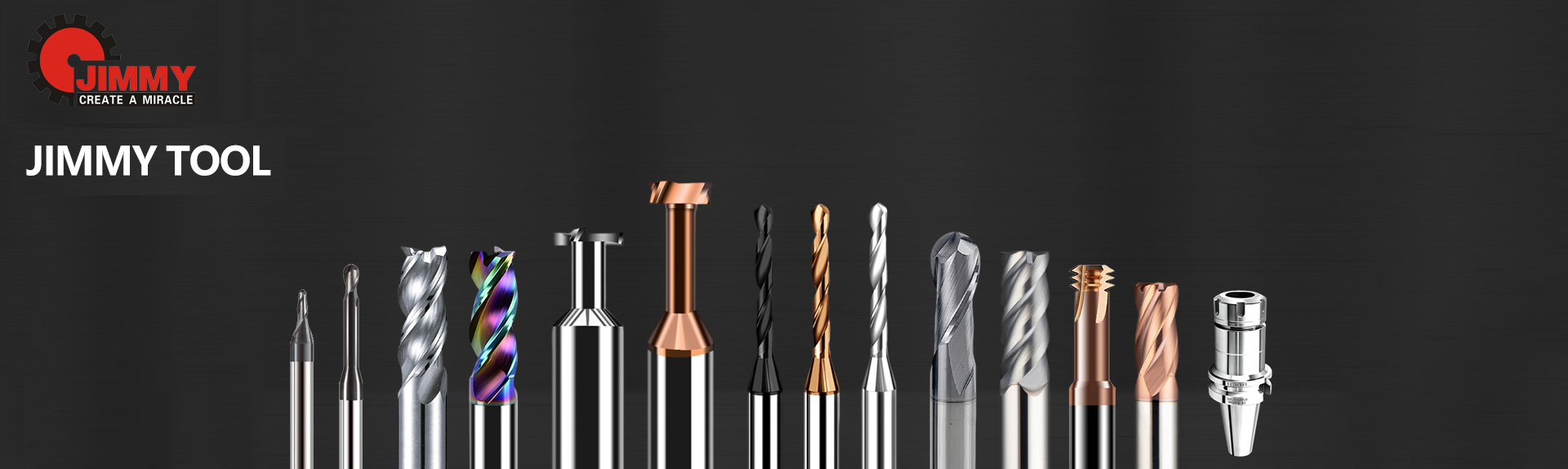
Machining Cobalt-Chrome (CoCr) for Medical Implants: Solve Tool Wear & Surface Finish Challenges
Date:2026-04-28Number:1227If you machine cobalt-chrome (CoCr) for orthopedic implants, you know the reality: the material's biocompatibility and wear resistance are legendary, but its machinability is a daily battle. Carbide tools that last hours in stainless steel can fail in minutes when cutting ASTM F75 or F1537 CoCrMo. Surface finish requirements measured in nanometers collide with a material that work-hardens at the slightest provocation. And when the part is destined for a human hip or knee, scrap is not an option—process reliability is everything.
Medical-grade CoCr alloys—primarily ASTM F75 (cast) and ASTM F1537 (wrought)—are the gold standard for joint replacements, fixation devices, and dental implants due to their unique combination of high strength, excellent wear and corrosion resistance, and proven biocompatibility. They're found in over 70% of the world's orthopedic devices. Yet simultaneously, these alloys are commonly associated with poor machinability, with short tool life and poor surface finish leading to low productivity and high manufacturing costs.
At JimmyTool, we've engineered custom carbide tooling for medical CoCr applications for over 15 years—from femoral knee implants to spinal fixation components. In this article, we'll explain exactly why CoCr destroys standard carbide so aggressively, and more importantly, what you can change in tool geometry, coating selection, coolant delivery, and cutting strategy to machine it profitably.
Before optimizing your tooling strategy, it's essential to understand the four fundamental properties that make CoCr one of the most difficult materials to cut.
1. Extreme Hardness—Even at High Temperatures
CoCr alloys are characterized by extreme hardness and simultaneously by high elasticity—roughly double that of precious metals used in dental applications. Unlike many metals that soften when heated during machining, CoCr retains a high degree of hardness even at elevated cutting temperatures. This is primarily due to the chromium-rich carbide precipitates distributed throughout the cobalt matrix, which act as microscopic reinforcements. Where standard carbide tools rely on the workpiece softening at the shear zone, CoCr refuses to cooperate—the cutting edge must battle full-hardness material throughout the entire cut.
2. Extremely Low Thermal Conductivity
Heat generated during cutting cannot escape through the chip or workpiece. Instead, over 70% of the thermal energy concentrates directly at the cutting tip. Research has confirmed that CoCr's low thermal conductivity—comparable to titanium and far worse than steel—causes localized temperatures that can rapidly degrade the cobalt binder in carbide tools, accelerating diffusion wear and plastic deformation at the cutting edge.
3. Aggressive Strain Hardening
CoCr alloys possess intense work-hardening characteristics that affect machinability at a fundamental level. When studying the cutting process of ASTM F1537 CoCr, researchers showed the alloy produced segmented chips under all tested conditions, with chip segmentation frequency increasing with cutting speed. This segmented chip formation—while beneficial for chip control—creates oscillating cutting forces that hammer the tool edge. More critically, any rubbing or dwelling (from insufficient feed, improper tool geometry, or vibration) instantly triggers a surface hardening response. In deep or narrow features where chip evacuation is compromised, the work-hardening effect intensifies: previous passes leave hardened material for subsequent cuts to battle.
4. The Synergy Effect
These four factors don't simply add up—they multiply each other, creating a synergistic attack on the cutting edge that is far more aggressive than any single mechanism alone. Heat weakens the carbide binder at the exact moment hardened material demands peak edge strength. Segmented chips create cyclic loading that exploits any micro-weakness the heat has created. This is why theoretical tool life predictions based on hardness alone consistently overestimate what happens on the shop floor.
JimmyTool Shop Observation: When we analyze failed tools from CoCr machining, the dominant failure modes are crater wear on the rake face combined with notch wear at the depth-of-cut line—patterns that directly point to thermal overload and work-hardening interaction. Standard off-the-shelf carbide tools rarely have the correct edge preparation and coating system to resist both mechanisms simultaneously.
Upload Your Drawing for a Custom CoCr Tooling Quote →
Here are four actionable adjustments that directly address CoCr's unique challenges.
Not all carbide is equal when it comes to CoCr. For roughing and semi-finishing operations, ultra-fine grain carbide substrates (0.5–0.8 µm grain size) are recommended because they offer an optimal balance of wear resistance and toughness. The carbides must be resistant to thermal shock while simultaneously possessing a high degree of bending strength and fracture toughness.
For economic analysis across different production volumes, tool material selection drives both performance and total cost per part:
| Tool Material | Upfront Cost | Tool Life in CoCr | Cost per Part | Best Application |
|---|---|---|---|---|
| Premium Coated Carbide | 50–200 | 15–45 min in cut | Medium | Small to medium batches, roughing, complex geometries with variable engagement |
| Solid PCD (Polycrystalline Diamond) | 2–3× carbide cost | Up to 10× longer than carbide | Low (80% reduction possible) | High-volume production, finishing operations, continuous cuts |
PCD tools can achieve up to 10× tool life compared to carbide with superior surface finish and minimal wear at high cutting speeds. While the initial upfront cost of a PCD tool may be 2–3 times that of carbide, longer tool life, reduced downtime, and reduced processing time mean ongoing machining cost can be up to 80% less, resulting in significant long-term savings. This makes PCD particularly compelling for high-volume orthopedic implant production where process stability and minimal tool changes are critical.
Related Product: Explore our Custom Carbide & PCD Tooling for CoCr Medical Implant Machining with application-specific edge preparation and advanced coating systems tailored to your specific CoCr grade and part geometry.
When Carbide Makes More Sense
For smaller batches, parts with interrupted cuts, or when machining both CoCr and titanium on the same setup, premium coated carbide remains the practical choice. The key is selecting the right carbide grade, not just any carbide grade.
The JimmyTool Approach for Balancing Cost and Performance
Many high-volume medical manufacturers find the optimal strategy is hybrid tooling: use premium coated carbide for roughing and semi-finishing where tool engagement varies, then deploy PCD for finishing passes where surface finish requirements demand the longest possible edge consistency. A custom tool optimized for your specific part geometry—whether carbide or PCD—will consistently outperform catalog items designed for general-purpose use.
The cooling strategy is arguably the single most critical variable in CoCr machining—"the key issue here, even more so than in other heat-resistant and corrosion-resistant materials".
For any CoCr operation deeper than basic face milling, through-tool coolant delivery is no longer a nice-to-have—it's essential. External coolant simply cannot reach the cutting zone once the tool engages beyond 2× diameter depth. The trapped heat quickly accelerates tool wear and can cause localized welding of chips to the cutting edge.
A comprehensive review on machining aspects of CoCrMo alloys highlighted cutting fluid methods and tool material selection as critical research areas for improving machinability outcomes. When through-coolant is available, continuous single-stroke machining strategies—rather than pecking cycles—help prevent the thermal cycling that exacerbates work hardening.
JimmyTool Design Integration: For custom CoCr tooling, we position coolant holes to exit precisely at the cutting edge, not just near it. This targeted delivery—combined with pressures of 70+ bar—breaks the thermal barrier and provides direct cooling at the hottest point of the tool-workpiece interface.
Because of CoCr's hardness and work-hardening tendency, geometry must be purpose-designed. Despite the high degree of toughness of the material, the tool must avoid generating excessive cutting forces. Key geometric features include:
Moderate positive rake angle (8–12°): Sharp enough to shear cleanly and minimize rubbing-induced work hardening, but reinforced enough to resist chipping. Too sharp an edge will micro-fracture; too blunt an edge will plough and harden.
Controlled edge preparation (10–15 µm hone): A slight radius strengthens the cutting edge against the impact of segmented chip formation while remaining sharp enough to maintain low cutting forces. The hone must be consistent around the entire cutting edge profile.
Variable helix design (38°/40°): Alternating helix angles disrupt harmonic vibration that leads to chatter and premature edge failure, particularly important in long-reach applications.
Polished flutes: Smooth flute surfaces reduce friction and prevent CoCr chips from adhering to the tool, minimizing built-up edge formation.
Reinforced core diameter: Provides additional rigidity for the tool body, reducing deflection that causes uneven chip loads and accelerated localized wear.
The biomedical advantage of optimized geometry: The right geometry doesn't just extend tool life—it directly impacts implant quality. Research has demonstrated that with optimized process parameters, the surface roughness of CoCrMo workpieces can be improved to as low as 8 nm Sa, significantly better than the 50 nm Ra recommended by ISO 7206-2:2011 for metallic bearing surfaces of artificial implants. This level of surface quality has direct clinical implications: smoother implant surfaces reduce friction, minimize wear debris generation, and improve long-term biocompatibility.
Research on ASTM F1537 CoCr machining has provided valuable cutting data. Studies show that the alloy produces segmented chips under all cutting conditions, with chip segmentation frequency increasing with cutting speed but independent of undeformed chip thickness. This segmented chip behavior means traditional cutting parameter recommendations developed for continuous-chip materials simply don't apply.
For optimal surface quality when machining CoCr alloy, research on dry turning using TiAlN PVD coated inserts has analyzed the interdependence between surface Ra and Rz roughness parameters and cutting data variation. Additionally, a complete factorial experimental design conducted on ASTM F75 CoCr turning varied cutting speed from 60 to 90 m/min and feed rate from 0.08 to 0.13 mm/rev, analyzing effects on tool wear and surface roughness.
Drawing from this research base combined with application experience, the following parameter ranges are recommended:
Recommended Starting Parameters for Carbide Tools in CoCr
| Operation Type | Cutting Speed (Vc) | Feed per Tooth (fz) | Radial Engagement (Ae) | Axial Depth (Ap) |
|---|---|---|---|---|
| Roughing (Trochoidal) | 40–70 m/min | 0.06–0.12 mm/tooth | 5–10% D | Up to 1.5 × D |
| Semi-Finishing | 50–80 m/min | 0.05–0.10 mm/tooth | 0.3–0.5 mm | Up to 1.0 × D |
| Finishing | 60–90 m/min | 0.03–0.08 mm/tooth | 0.1–0.3 mm | Up to 0.5 × D |
*These are starting points. Actual optimal parameters depend on your specific CoCr grade (cast F75 vs. wrought F1537 behave differently), machine rigidity, tool holder runout, and coolant pressure. Sandvik Coromant recommends vc = 50–80 m/min with fn = 0.1–0.15 mm/rev for CoCr ASTM F75 roughing with round inserts, with higher speeds possible for semi-finishing and finishing operations.*
Climb Milling Only: Always use climb milling in CoCr. Conventional milling traps heat in the workpiece and increases work hardening. Trochoidal or dynamic milling strategies with small radial engagement (5–10% Ae) are strongly recommended for roughing, as they keep cutting forces low and allow the cutting edge to cool between engagements.
The Machine Rigidity Imperative: One factor that cannot be overstated in CoCr machining is the absolute requirement for machine rigidity. CoCr's high hardness combined with its tendency toward segmented chip formation creates oscillating cutting forces that challenge machine tool structures. Any backlash, looseness, or lack of structural damping will amplify these oscillations, leading to chatter, accelerated tool wear, and compromised surface finish. For CoCr machining, use the shortest possible tool holder assembly, minimize the number of interfaces between spindle and cutting edge, and verify that all axes are properly preloaded. Even a premium custom tool will fail prematurely in a poorly maintained or low-rigidity machine.
Upload Your Drawing for a Custom CoCr Tooling Quote →
The medical implant industry demands extraordinary precision, quality, and consistency. Standard catalog tools—designed for general-purpose machining—rarely meet the exacting requirements of CoCr implant production. Here's why custom non-standard tooling has become essential:
1. Patient-Specific Implants Require Application-Specific Tools
Personalized medicine is growing fast, driving a demand for personalized medical devices, which require custom tooling. When every implant is unique—as is increasingly the case with patient-specific knee and hip replacements—the tooling cannot be one-size-fits-all.
2. Combining Operations to Reduce Cycle Time
Custom form tools can combine multiple operations—roughing, profiling, chamfering, and finishing—into a single tool. Special cutting tools are custom-engineered cutters designed to meet specific machining requirements, consolidate operations, and increase productivity. In CoCr implant manufacturing, where material cost is high and cycle times directly impact profitability, reducing setups through custom combination tooling delivers a measurable return on investment.
Schwanog's insertable form tool system, for example, is designed to offer superior quality and high efficiency in the manufacture of precision parts for the medical industry, with quick tool changeovers directly in the machine resulting in sizable reductions in machine downtime while significantly increasing productivity.
3. Meeting Stringent Surface Finish Requirements
Medical implants must meet stringent regulatory standards (ISO 13485, FDA 21 CFR Part 820), where dimensional precision and surface finish directly affect functionality and patient safety. A minor burr or dimensional deviation in a surgical implant can cause friction, infection risk, or mechanical failure.
Performance requirements for metallic implants for surgical applications stipulate precise surface finish standards for bearing surfaces. Research using optimized process parameters has demonstrated surface roughness improvements to as low as 8 nm Sa, far surpassing the standard requirement. Premium micro end mills—often made from ultra-fine grain carbide with DLC or AlTiN coatings—can achieve tight tolerances up to ±0.003 mm and smooth surface finishes of less than Ra 0.2 μm, even on long-reach applications.
4. Long Reach-to-Diameter Ratios for Complex Implant Geometries
Medical applications often require tools with long length-to-diameter ratios. Trying to apply a standard tool to these applications is likely to result in tool failure beyond typical wear. A custom tooling approach provides the exact length necessary plus the right geometries, cutting angles, materials, and coatings. This is particularly critical for femoral knee implant components, where deep, narrow cavities must be machined to exacting tolerances.
5. The Cost-Benefit Analysis: When Custom Tooling Pays Off
Brazed carbide inserts offer a more economical option, providing up to 75% cost savings compared to solid carbide tools without sacrificing performance. For the high-volume production typical of standardized orthopedic implants, the initial investment in custom tooling is rapidly recovered through:
Reduced cycle times (industry data shows up to 50% reduction)
Fewer tool changes and less machine downtime
Elimination of secondary polishing operations
Consistent part quality and reduced scrap rates
Seco's dedicated medical cutting tool line, for instance, has been shown to shorten part cycle times for knee implant machining by as much as 50%, while reducing or eliminating the need for secondary grinding or polishing operations.
Conclusion: Making CoCr a Competitive Advantage
CoCr is not going anywhere—it remains the benchmark material for orthopedic implants due to its unmatched combination of wear resistance, corrosion resistance, and biocompatibility. The shops that succeed with CoCr aren't the ones with the most expensive machines; they're the ones that have invested in understanding the material's unique metallurgical behavior and have matched their tooling strategy accordingly.
The proven formula: purpose-selected carbide or PCD grade + internal coolant at high pressure + moderate positive rake geometry with controlled edge preparation + trochoidal tool paths at conservative speeds and steady feeds will transform your CoCr process from a cost center into a competitive differentiator.
Facing a CoCr machining challenge right now?
Upload your part drawing and current process parameters. Our medical manufacturing application team—experienced in ISO 13485 compliance and FDA-regulated implant production—will recommend a custom tooling solution within 12 hours.
Upload Your Drawing for a Custom CoCr Tooling Quote
Q1: Why is cobalt-chrome so difficult to machine compared to other medical alloys?
CoCr is classified as a difficult-to-cut material due to four interacting properties: extreme hardness that persists even at high cutting temperatures, extremely low thermal conductivity that traps heat at the tool tip, aggressive strain hardening triggered by any rubbing or insufficient feed, and high toughness that resists chip separation. These factors combine synergistically to attack the cutting edge far more aggressively than any single mechanism alone. Research has confirmed that CoCr alloys are commonly associated with poor machinability with short tool life and poor surface finish leading to low productivity.
Q2: What are the most common CoCr grades used in medical implant manufacturing?
The two most common medical-grade CoCr alloys are ASTM F75 (cast) and ASTM F1537 (wrought, low-carbon). Both are Co-Cr-Mo alloys widely used for orthopedic implants including hip and knee replacements, fixation devices, and dental prosthetics. F1537 is typically used for wrought applications requiring higher strength, while F75 is common in cast components. Both grades present similar machining challenges, though F1537's finer grain structure from wrought processing may produce slightly different chip formation behavior.
Q3: Should I use carbide or PCD tools for machining CoCr implants?
Both have their place. Premium coated carbide tools are cost-effective for small to medium batches, roughing operations, and applications with interrupted cuts where PCD's brittleness is a risk. Solid PCD tools, while costing 2–3× more upfront, can achieve up to 10× longer tool life with superior surface finish. For high-volume production, PCD's ongoing machining cost can be up to 80% less than carbide. Many manufacturers optimize by using carbide for roughing and PCD for finishing.
Q4: Is internal coolant really necessary for machining CoCr?
Yes—and it becomes essential for any operation beyond basic face milling. CoCr's low thermal conductivity means heat concentrates intensely at the cutting zone. External coolant cannot reach the tool tip once engagement depth exceeds 2× tool diameter. Internal coolant channels delivering 70+ bar pressure directly to the cutting edges provide targeted cooling, break the thermal barrier, and enable continuous machining strategies that avoid work-hardening from pecking cycles.
Q5: What surface finish can be achieved when machining CoCr for medical implants?
With optimized tool geometry and cutting parameters, surface roughness as low as 8 nm Sa can be achieved on CoCrMo alloys—significantly better than the 50 nm Ra standard specified in ISO 7206-2:2011 for metallic bearing surfaces of artificial hip joints. Premium micro end mills with ultra-fine grain carbide and DLC or AlTiN coatings can consistently achieve surface finishes below Ra 0.2 μm. The right tooling strategy often eliminates the need for secondary polishing operations entirely.
Q6: What are the recommended cutting parameters for carbide tools in CoCr?
For carbide tools in CoCr: Roughing with trochoidal strategy—cutting speed 40–70 m/min, feed per tooth 0.06–0.12 mm, radial engagement 5–10% D, axial depth up to 1.5×D. Semi-finishing—50–80 m/min, 0.05–0.10 mm/tooth, 0.3–0.5 mm radial engagement. Finishing—60–90 m/min, 0.03–0.08 mm/tooth, 0.1–0.3 mm radial engagement. These are starting points only; always optimize based on your specific CoCr grade, machine rigidity, and coolant setup.
Q7: Which coatings work best when machining CoCr with carbide tools?
AlCrN (Aluminum Chromium Nitride) and TiAlN (Titanium Aluminum Nitride) PVD coatings are the most widely used and effective. AlCrN offers excellent thermal shock resistance up to 1100°C with strong oxidation resistance. TiAlN provides good all-around performance with high hot hardness. DLC (Diamond-Like Carbon) coatings can reduce friction and built-up edge formation in finishing operations. Post-coating polishing is strongly recommended to reduce friction and prevent CoCr chip adhesion.
Q8: When should I consider custom non-standard tooling for CoCr medical implant machining?
Consider custom tooling when your implant geometry requires long length-to-diameter ratios that standard tools cannot support, when combining multiple operations (roughing + profiling + finishing) into a single tool would reduce cycle time, when surface finish requirements demand application-specific edge preparation, or when tight tolerances (±0.003 mm or better) must be held consistently across production batches. Custom tooling often pays for itself within the first production batch through reduced cycle times and fewer tool changes.
Q9: What regulatory standards apply to machining medical implants from CoCr?
Medical implant machining must comply with ISO 13485 (Medical Devices Quality Management Systems), which requires that every CNC machining process be validated to ensure it consistently produces parts meeting specifications. For each process, manufacturers must document and test every variable: tool type, cutting speed, feed rate, and cooling fluid. Additionally, FDA 21 CFR Part 820 governs quality system regulations for medical devices sold in the United States. Implant materials must meet ASTM standards (F75, F1537 for CoCr) and surface finish requirements per ISO 7206-2 for joint replacement bearing surfaces.
person: Mr. Gong
Tel: +86 0769-82380083
Mobile phone:+86 15362883951
Email: info@jimmytool.com
Website: www.jimmytool.com


