

What Do You Use to Cut Carbide?
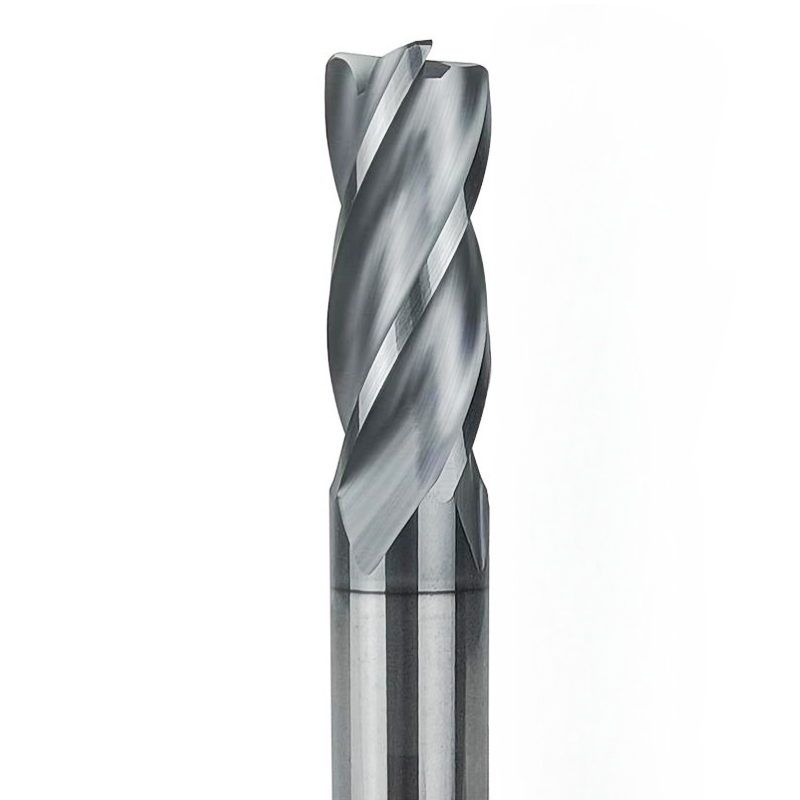
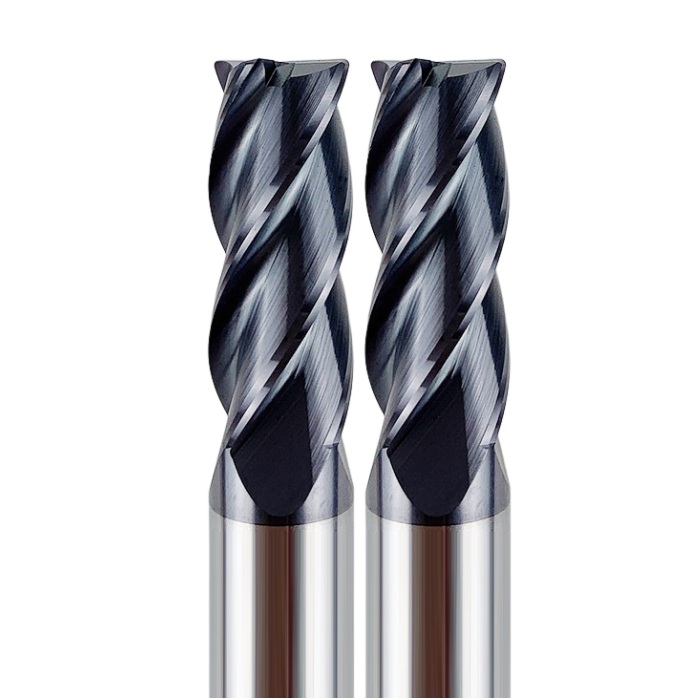
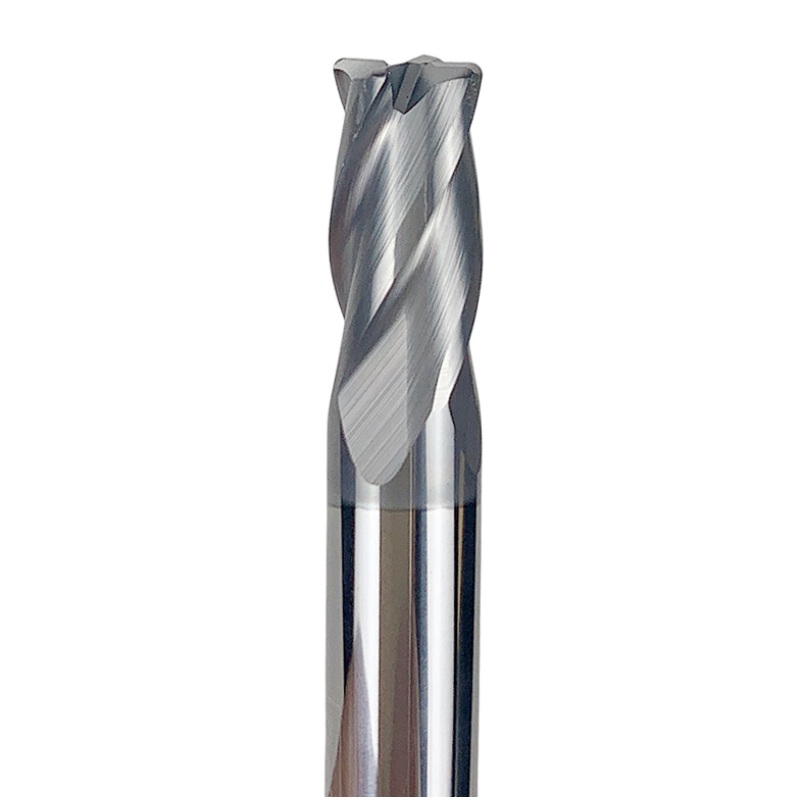
Date:2025-12-14Number:1425When you’ve spent years behind the controls of a CNC mill or lathe, you quickly learn that not all materials behave the same way under the cutting edge. Among the most challenging—and rewarding—are tungsten carbide tools themselves. So, when someone in the shop asks, “What do you use to cut carbide?”, the answer isn’t as simple as grabbing the nearest end mill. Cutting carbide requires deep understanding of material properties, tooling selection, machine capabilities, and process parameters. In this comprehensive guide, we’ll explore the professional-grade methods, best practices, and critical considerations for machining tungsten carbide—especially when working with carbide end mill cutters.
Tungsten carbide (often simply called “carbide”) is a composite material made from tungsten and carbon atoms bonded in a crystal lattice, typically sintered with a cobalt binder. It’s renowned for its extreme hardness—ranging from 85 to 94 HRA on the Rockwell scale—which makes it ideal for cutting tools like carbide end mill cutters, inserts, drills, and wear parts. But that same hardness makes it notoriously difficult to machine using conventional methods.
Attempting to cut carbide with standard high-speed steel (HSS) tools is futile—they’ll dull almost instantly. Even standard carbide tools can struggle if not specifically designed for the task. The key lies in matching the right abrasive or superabrasive cutting method to the job at hand.
Professionals in precision machining rely on several proven techniques to cut or shape carbide components. Each has its own advantages, limitations, and ideal applications:
1. Diamond Abrasive Grinding
2. Electrical Discharge Machining (EDM)
3. Laser Cutting
4. Ultrasonic Machining
5. Specialized Diamond-Coated or Polycrystalline Diamond (PCD) Tooling
Let’s break these down in detail.
For most shops dealing with carbide end mill cutters—whether regrinding worn tools or manufacturing new ones—diamond abrasive grinding is the go-to method. Diamond is the hardest known natural material (10,000 HV), making it one of the few substances capable of effectively abrading tungsten carbide.
Types of Diamond Wheels:
Resin-bonded diamond wheels: Ideal for fine finishing and sharpening.
Metal-bonded diamond wheels: Used for aggressive stock removal.
Electroplated diamond wheels: Common in CNC tool grinders for precision flute and relief grinding.
Professional CNC tool and cutter grinders (like those from ANCA, Walter, or Rollomatic) use precisely controlled diamond wheels to recondition carbide end mill cutters with micron-level accuracy. These machines maintain tight tolerances on helix angles, rake angles, and edge geometries—critical for high-performance cutting.
Pro Tip: Always use coolant during grinding. Carbide is brittle, and thermal shock from dry grinding can cause microcracks or catastrophic failure.
Wire EDM and sinker EDM are non-contact processes that use electrical sparks to erode material. Because they don’t rely on mechanical force, EDM is excellent for intricate shapes or thin-walled carbide components that might fracture under traditional cutting forces.
While EDM is slower than grinding, it offers exceptional surface finish and dimensional accuracy—often within ±0.001 mm. However, it’s generally not used for mass production of carbide end mill cutters due to cycle time and cost, but it shines in prototyping, mold inserts, or custom geometries.
Fiber lasers can cut thin sections of carbide (typically under 5 mm thick), especially in blank preparation or segmentation. However, laser cutting introduces a heat-affected zone (HAZ) that can alter the microstructure of the carbide near the cut edge, potentially compromising hardness and integrity.
As such, laser-cut carbide parts often require post-processing (like grinding) to restore performance—making it less common in high-precision tooling applications.
Ultrasonic machining uses high-frequency vibrations combined with an abrasive slurry (often boron carbide or diamond grit) to erode material. It’s particularly useful for drilling small, deep holes in carbide without inducing thermal stress.
While not mainstream for carbide end mill cutter production, it’s valuable in aerospace and medical industries where complex internal features are needed in solid carbide components.
This is a frequent point of confusion. Yes—but only under very specific conditions.
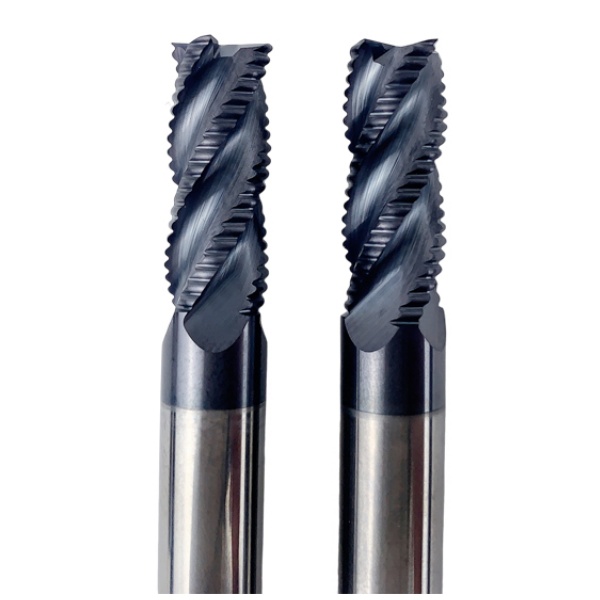
Standard carbide end mills cannot machine solid tungsten carbide blanks. However, diamond-coated carbide end mills or polycrystalline diamond (PCD) tools can perform light milling or engraving on carbide, especially in softer grades (e.g., C1–C2 with higher cobalt content).
Even then, cutting parameters must be extremely conservative:
Spindle speeds: 5,000–15,000 RPM (depending on tool diameter)
Feed rates: 0.001–0.003 mm/tooth
Depth of cut: <0.1 mm radial, <0.05 mm axial
Most professionals avoid this approach unless absolutely necessary—grinding remains far more efficient and reliable.
Best Practices When Handling or Modifying Carbide End Mill Cutters
If your goal is to regrind, shorten, or modify existing carbide end mill cutters, follow these shop-proven guidelines:
Never attempt to cut or grind carbide on a bench grinder or angle grinder. The vibration and lack of precision will ruin the tool and pose serious safety risks (carbide shatters explosively under stress).
Even microscopic cracks from improper handling can lead to tool failure during high-speed cutting. Use a magnifying lamp or digital microscope.
A poorly dressed diamond wheel generates excessive heat and poor surface finish. Dress regularly with a rotary dresser or single-point diamond.
Carbide expands and contracts with temperature swings. Use filtered, temperature-controlled coolant to avoid thermal distortion during grinding.
Beyond technique, safety is paramount. Tungsten carbide dust is hazardous if inhaled—it contains cobalt, a known sensitizer and potential carcinogen. Always:
Use wet grinding or EDM when possible to suppress dust.
Wear NIOSH-approved respirators if dry operations are unavoidable.
Install proper ventilation and dust collection systems.
Never strike carbide with a hammer—it can fragment violently.
Cutting carbide isn’t about brute force—it’s about precision, patience, and the right technology. Whether you’re reconditioning a worn carbide end mill cutter or fabricating a custom carbide insert, success hinges on choosing the appropriate method and respecting the material’s unique properties.
In modern precision machining, diamond grinding remains the gold standard. EDM and laser serve specialized roles. And while the idea of “cutting carbide with carbide” sounds poetic, it’s rarely practical outside controlled, low-material-removal scenarios.
So the next time someone asks, “What do you use to cut carbide?”—you’ll have more than an answer. You’ll have a strategy.
With over 18 years in CNC machining and tool grinding, Andy has worked with aerospace, medical, and automotive manufacturers across North America and Europe. He currently serves as lead applications engineer at a Tier-1 cutting tool supplier and mentors apprentices in advanced carbide processing techniques.
Got questions about carbide tool regrinding or need help selecting the right diamond wheel? Drop a comment below or reach out through our contact page.
person: Mr. Gong
Tel: +86 0769-82380083
Mobile phone:+86 15362883951
Email: info@jimmytool.com
Website: www.jimmytool.com


